


Hemiplegia Meaning in Simple Words 2026
The hemiplegia meaning is paralysis of one side of the body.
In simple terms, hemiplegia:
Affects either the left or right side of the body
Can impact the arm, leg, and sometimes the face
Often occurs due to brain or nervous system injury
Example: “After the stroke, he experienced hemiplegia on his right side.”
Hemiplegia Meaning in Medicine 2026
In medical terms, hemiplegia:
Is a type of paralysis caused by brain damage
Often results from stroke, trauma, or cerebral palsy
Requires rehabilitation and therapy to improve function
Doctors use hemiplegia to describe the extent and side of paralysis.
Causes of Hemiplegia 2026
Common causes include:
Stroke: Most common cause in adults
Brain injury: Accidents or trauma
Cerebral palsy: Present from birth in children
Brain tumors or infections: Rarely cause hemiplegia
Treatment depends on the cause and severity.
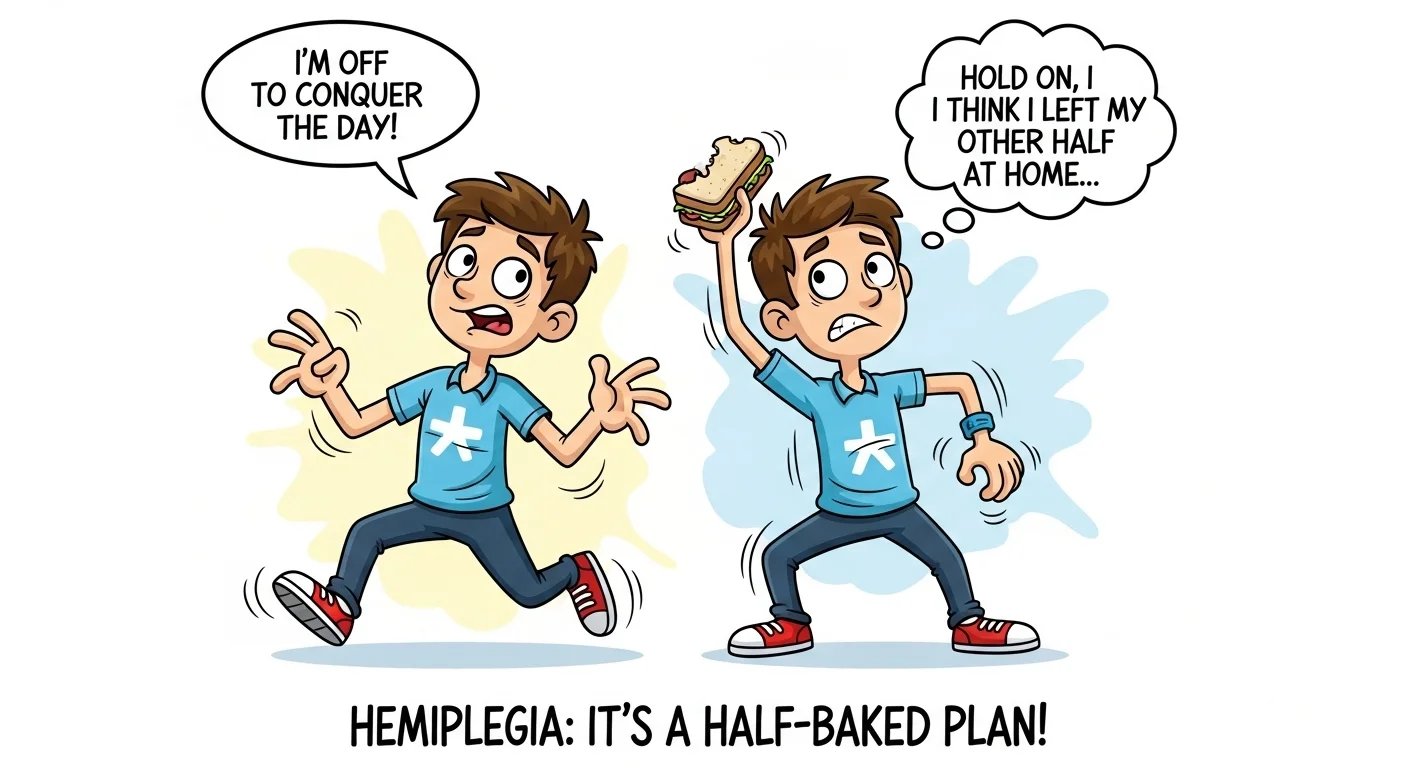
Symptoms of Hemiplegia 2026
Symptoms may include:
Weakness or paralysis on one side of the body
Difficulty walking or moving limbs
Muscle stiffness or spasms
Trouble with coordination and balance
Possible facial drooping or speech issues
Symptoms vary based on location and extent of brain damage.
Hemiplegia vs Hemiparesis Meaning 2026
Hemiplegia: Complete paralysis on one side
Hemiparesis: Partial weakness on one side
Hemiparesis is less severe than hemiplegia but may still require therapy.
Treatment and Management of Hemiplegia 2026
Treatment focuses on:
Physical therapy to regain strength and mobility
Occupational therapy to improve daily activities
Speech therapy if affected
Medications for muscle stiffness or pain
Early intervention improves outcomes.
Why Understanding Hemiplegia Meaning Matters 2026
Understanding hemiplegia helps you:
Recognize symptoms in yourself or others
Seek timely medical care
Support patients with rehabilitation and care
It improves awareness about neurological health.

Hemiplegia Meaning in Example Sentences 2026
Examples include:
“The patient developed hemiplegia after a stroke.”
“Physical therapy helps people with hemiplegia regain mobility.”
“Cerebral palsy may cause hemiplegia from birth.”