
What Does “Bustle” Mean?
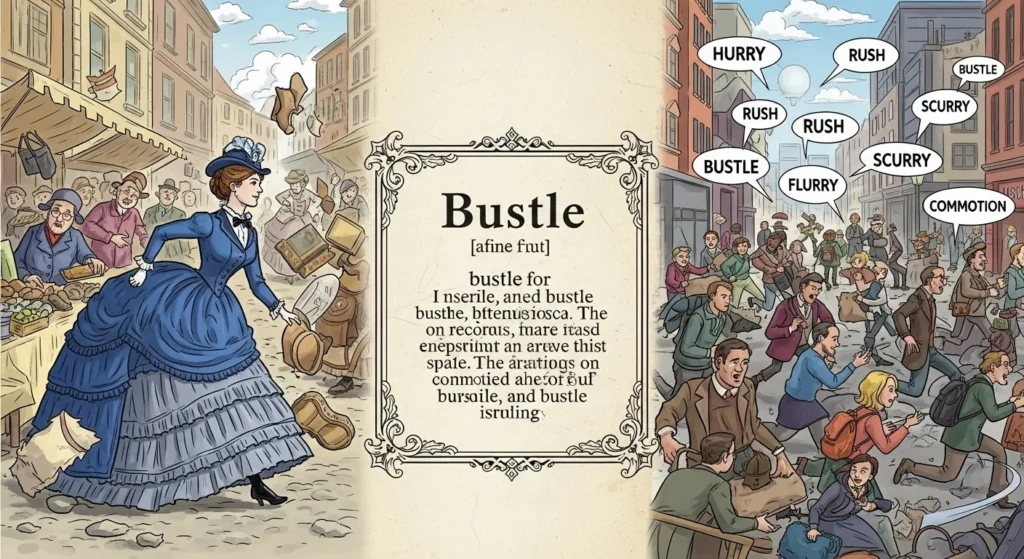
Bustle generally means energetic activity or movement, often in a busy or lively environment.
Simple definition
Bustle = energetic activity, commotion, or hustle
The word is used in:
Describing busy places
Talking about lively situations
Fashion or historical references
Origin and Background of the Word Bustle
The word bustle comes from the verb “to bustle,” meaning to move energetically or busily.
Historically:
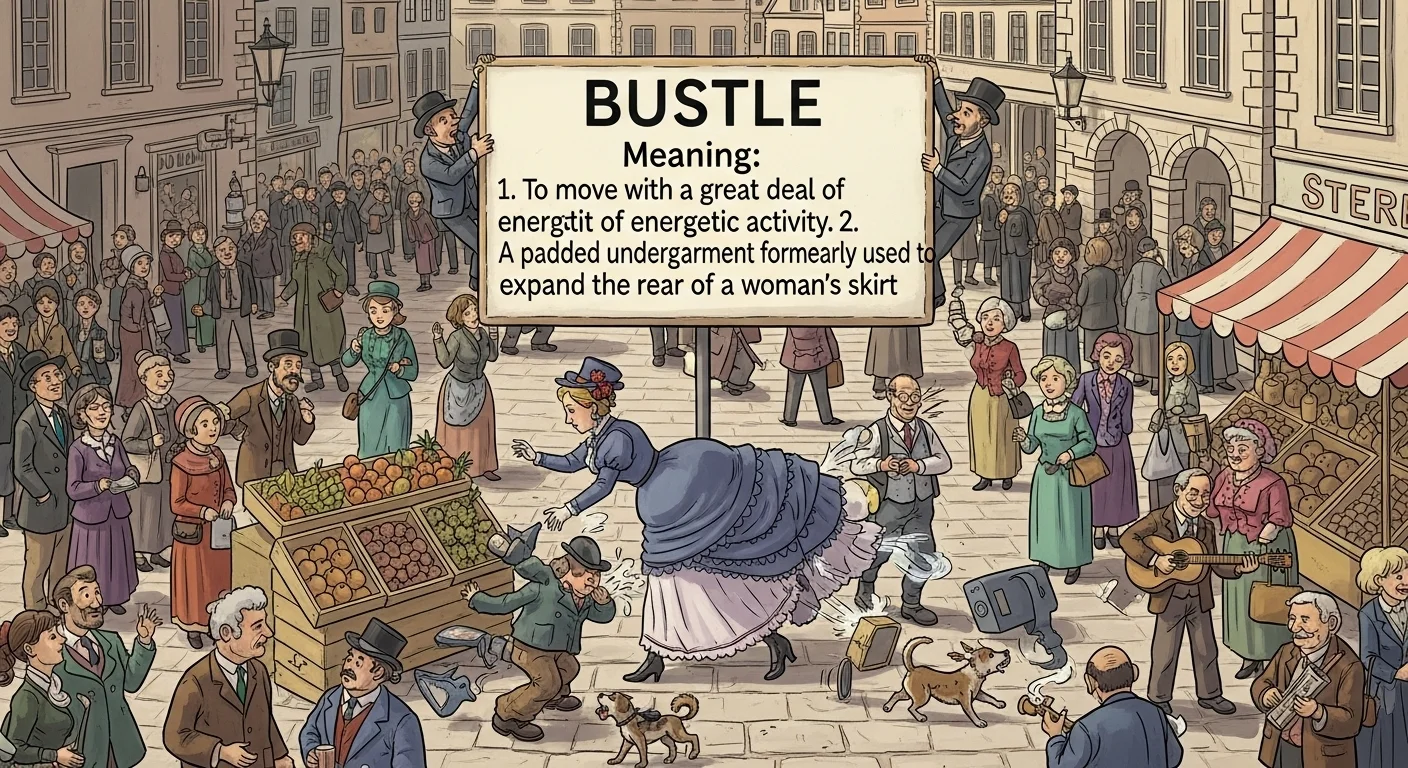
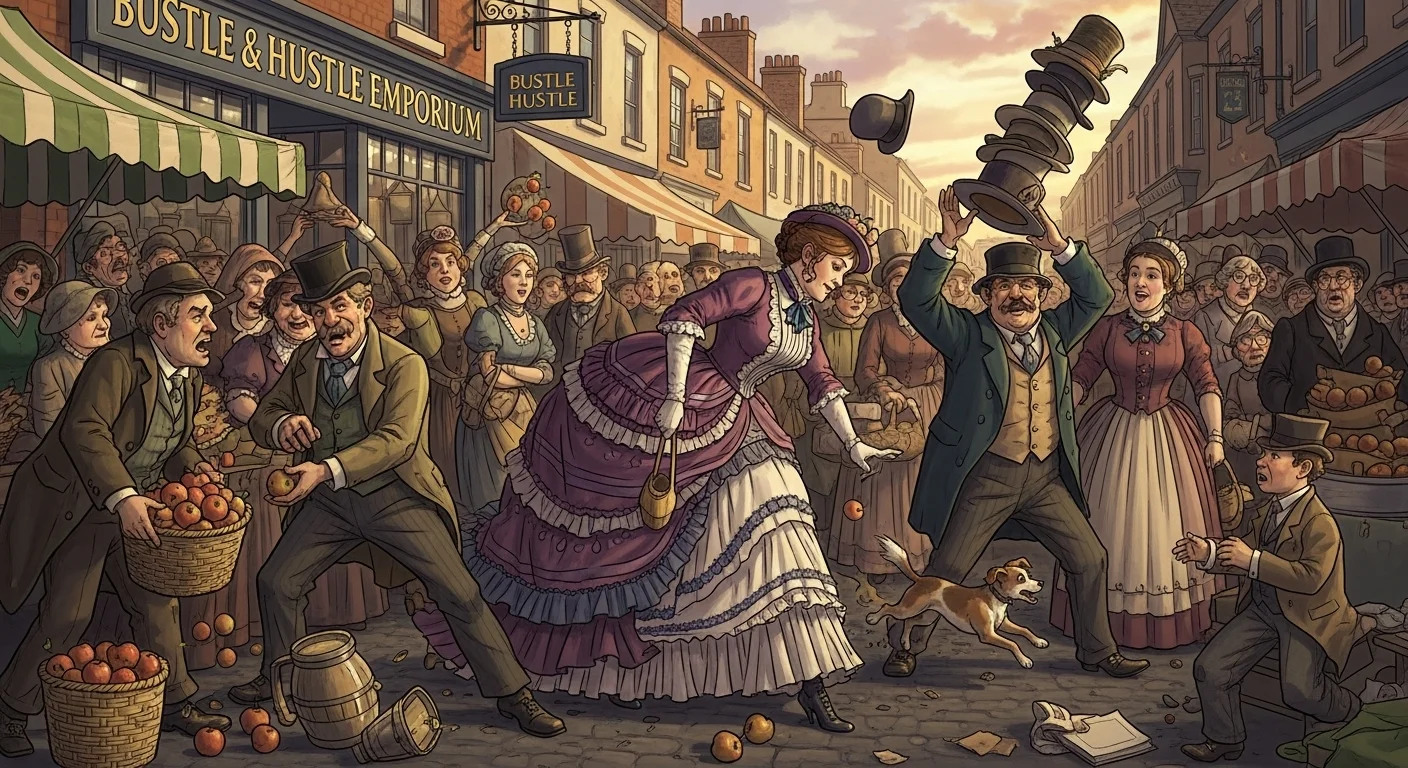
In the 19th century, bustle also referred to a padded structure worn under dresses to make them stick out at the back.
Over time, the word expanded to describe energy, movement, or activity in general.
Bustle Meaning in Everyday Life
In daily life, bustle describes places or situations full of activity or commotion.
Examples:
The city streets were full of bustle during rush hour
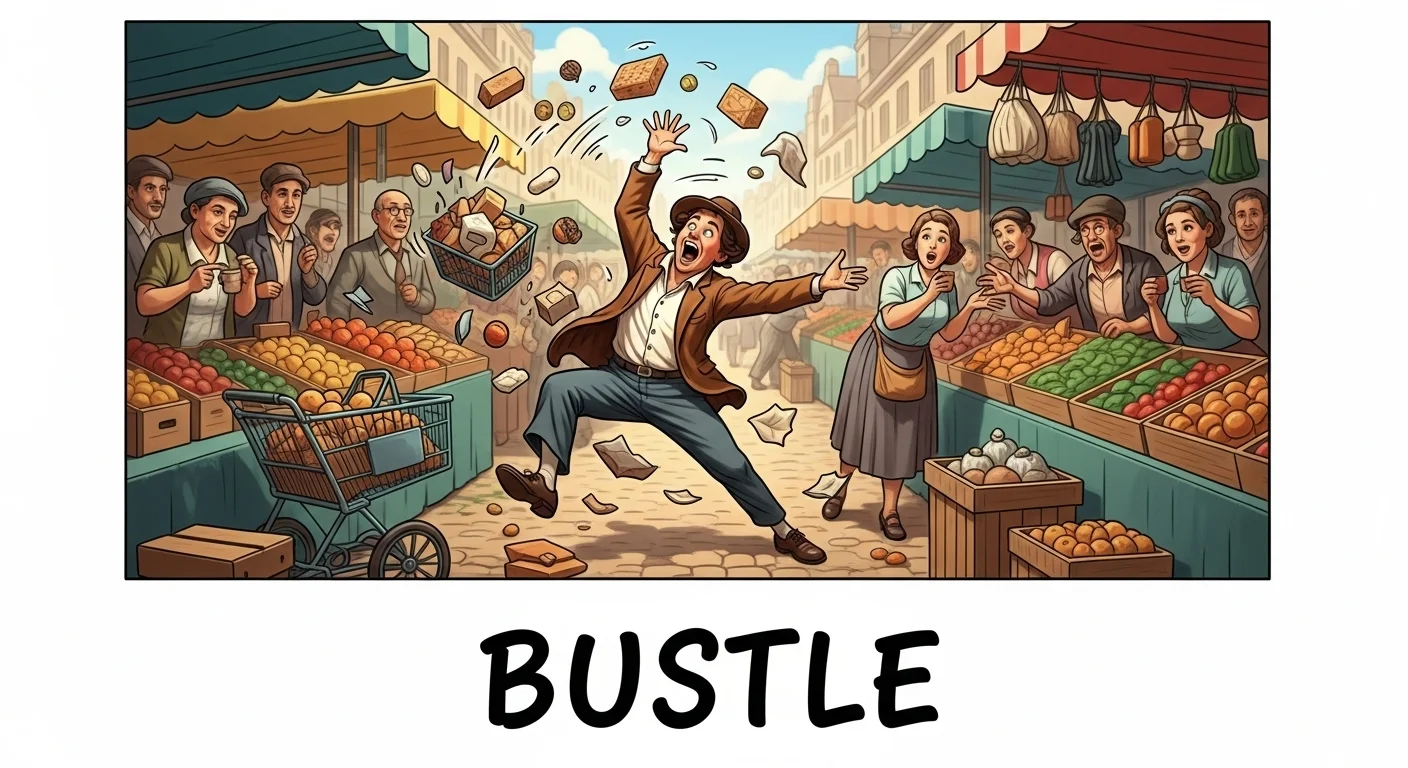
The market was alive with the bustle of shoppers
There was a constant bustle in the office before the deadline
Here, bustle conveys a sense of lively movement and energy, not chaos.
Bustle Meaning in Conversation
People use bustle in both literal and figurative ways.
Literal use:
“There’s a lot of bustle in the park today.”
Explanation: Many people are moving around actively.
Figurative use:
“She thrives amidst the bustle of city life.”
Explanation: She enjoys busy and energetic environments.
In conversation, bustle can add a descriptive touch that makes scenes more vivid.
Bustle in Work and Professional Contexts
In workplaces or professional settings, bustle often describes high activity or productivity.
Examples:
The team worked with a sense of bustle to meet the deadline
The office had the bustle of preparations before the big event
Using bustle here emphasizes energy, urgency, or organized activity rather than disorder.
How People Use “Bustle” in Real Conversations
People use bustle to describe busy environments, energy, or movement, often in a positive or neutral way.
Common contexts:
City life
Events and parties
Office or school activity
Busy travel hubs like airports
It is rarely negative; it highlights liveliness rather than stress or annoyance.
Real-Life Examples of “Bustle” Explained
Example 1:
“The bustling market was full of colors and sounds.”
Explanation: The market had lots of energetic activity.
Example 2:
“She moved through the bustle of commuters with ease.”
Explanation: She navigated a busy, lively crowd.
Example 3:
“The office had the bustle of employees preparing for a big launch.”
Explanation: Employees were actively engaged in work.
Example 4:
“Children added to the bustle of the playground.”
Explanation: The children’s activity contributed to the lively atmosphere.
Bustle vs Similar Words
Understanding related words can clarify subtle differences.
Bustle vs Hustle
Bustle: Energetic movement or lively activity
Hustle: Focused, often fast-paced work or effort
Bustle vs Commotion
Bustle: Positive or neutral lively activity
Commotion: Noise or disorder
Bustle vs Activity
Bustle: Energetic, lively, often social
Activity: General actions, can be neutral or formal
Related Words and Expressions
These terms are related to bustle meaning and can support internal linking:
Hustle – fast or busy movement
Clamor – noisy activity
Frenzy – intense excitement or activity
Movement – general motion
Energy – liveliness in a scene
Flurry – short burst of activity
Why Understanding “Bustle” Matters in 2026
In 2026, life is increasingly fast-paced and interconnected. Words like bustle allow you to:
Describe busy streets, events, and offices
Express energy, activity, and liveliness in writing
Improve storytelling in conversation or content
Understanding bustle meaning makes your descriptions clear, vivid, and relatable.
How to Use “Bustle” Correctly in Writing
Usage tips
Use it to describe busy or lively environments
Pair it with locations, events, or situations
Avoid using it for negative chaos; it’s generally neutral or positive
Sentence structure
Place + bustle + activity
Example:
“The café had the bustle of morning customers.”