curriculum vitae meaning

Super Curriculum Vitae Meaning: Definition, Uses, and Tips 2026

You may have heard the term curriculum vitae meaning  while applying for jobs, internships, or academic positions and wondered what it really means. The curriculum vitae meaning is simple: it is a document summarizing your education, work experience, and skills. In 2026, understanding how to write and use a CV is essential for job seekers, students, and professionals aiming to make a strong impression.

What Does “Curriculum Vitae” Mean

What Does “Curriculum Vitae” Mean?

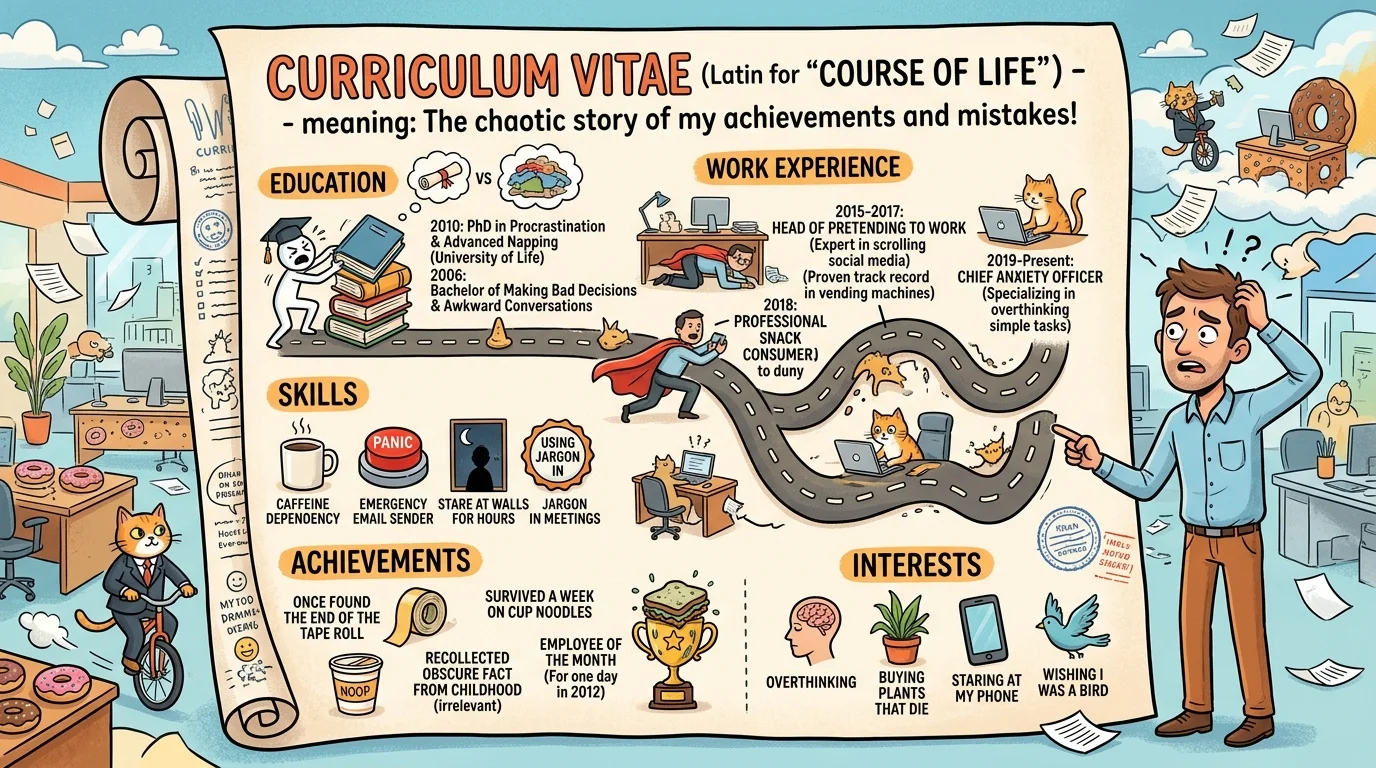
Curriculum vitae is Latin for “course of life.”

Simple definition:
Curriculum vitae (CV) = a detailed document outlining your professional and academic history.

It provides a comprehensive overview of your career, education, and achievements.


Curriculum Vitae Meaning in Simple Words

  • A CV is like a professional biography

  • Lists education, work experience, awards, and skills

  • Used to apply for jobs, scholarships, or academic positions

  • Focuses on your entire career or academic journey, unlike a resume, which is shorter and job-specific


Origin of the Term

  • Latin origin: “Curriculum” = course, “Vitae” = of life

  • Originally used in Europe to summarize a person’s professional and educational path

  • Became standard in academic and professional applications worldwide


Curriculum Vitae vs Resume

FeatureCurriculum Vitae (CV)Resume
Length2+ pages, detailed1–2 pages, concise
FocusAcademic and career historyRelevant skills for a job
UseInternational jobs, academic positionsMainly US and Canadian jobs
DetailComprehensiveTailored and brief

Curriculum Vitae Meaning in the Workplace

  • Used by employers to assess candidates for jobs or academic roles

  • Highlights qualifications, experience, and achievements

  • Can include:

    • Contact information

    • Education and degrees

    • Work experience

    • Skills and certifications

    • Awards and publications


Curriculum Vitae Meaning in Academia

Curriculum Vitae Meaning in Academia

  • Essential for professors, researchers, and students

  • Lists:

    • Research projects

    • Publications and presentations

    • Grants and fellowships

    • Teaching experience

  • Often required for academic applications and conferences


Types of Curriculum Vitae

  1. Chronological CV: Lists experience and education in order

  2. Functional CV: Focuses on skills and abilities

  3. Combination CV: Mix of chronological and functional styles

  4. Academic CV: Detailed version for scholarly applications


How to Write a Curriculum Vitae

  • Start with contact information

  • Include education in reverse chronological order

  • List work experience with achievements and responsibilities

  • Add skills and certifications relevant to your goal

  • Include awards, publications, or volunteer work

  • Keep formatting clean and professional


Common Misunderstandings About Curriculum Vitae

  • A CV is not the same as a resume—CVs are more detailed

  • Not only for academics—many international jobs require CVs

  • Length can vary depending on experience—more experience = longer CV


Curriculum Vitae in Modern Use (2026)

  • Still widely used for international job applications

  • Digital CVs and LinkedIn profiles now complement traditional CVs

  • Employers increasingly look for clarity, readability, and achievements rather than just length


Related Terms and Concepts

Related Terms and Concepts

  • Resume: Shorter, job-specific document

  • Cover Letter: Accompanies a CV to introduce yourself

  • Portfolio: Collection of work examples

  • References: People who can vouch for your skills and experience

  • LinkedIn Profile: Digital version of a CV

Frequently Asked Questions

What does curriculum vitae mean?
It is Latin for “course of life” and refers to a detailed document of your professional and academic history.

How is a CV different from a resume?
A CV is longer and comprehensive, while a resume is concise and tailored to a job.

Who uses a curriculum vitae?
Students, professionals, academics, and anyone applying for jobs or scholarships internationally.

What should be included in a CV?
Education, work experience, skills, awards, publications, and references.

Is a CV still relevant in 2026?
Yes, especially for international applications, academic positions, and professional careers.

Conclusion

The curriculum vitae meaning is clear: it is a detailed overview of your life’s academic and professional journey. In 2026, CVs remain essential for job applications, academic roles, and career growth. Knowing how to create a strong CV can help you stand out, showcase your achievements, and open doors to new opportunities


Scroll to Top