
What Does “Intestate” Mean?
The clear intestate meaning is:
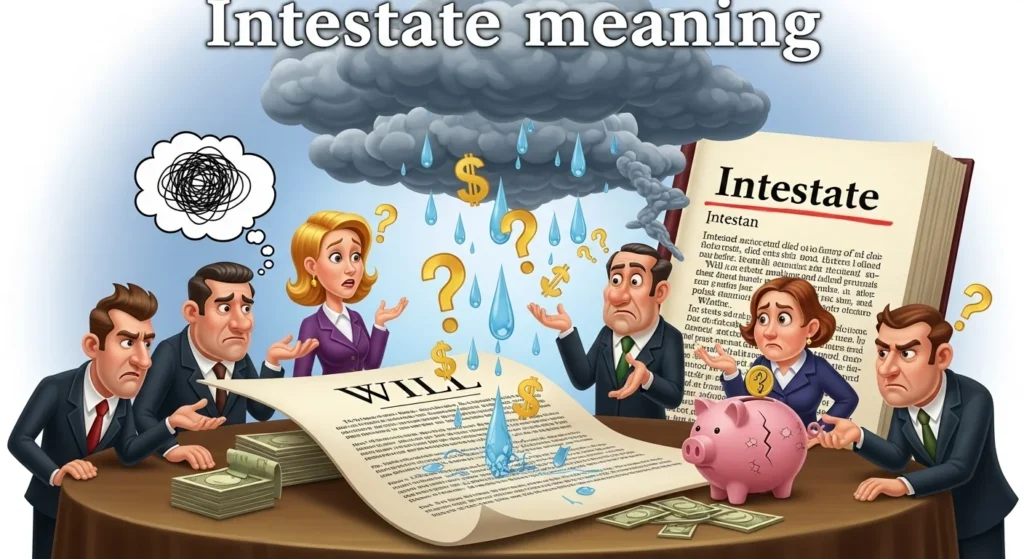
Intestate means dying without leaving a valid will.
In simple words:
A person dies intestate when they have not legally written down how their property should be distributed.
When this happens, the state or government decides who inherits the property based on law.
So, intestate meaning is connected directly to inheritance law and planning.
Intestate Meaning in Legal Terms
In legal English, intestate is used to describe:
the deceased person (the one who died)
the condition of having no will
the process of distributing assets according to state rules
For example:
“The deceased died intestate, so the court will distribute their estate.”
This shows how intestate meaning is primarily legal, not everyday speech.
Intestate Meaning in Everyday English
Even outside legal documents, you may hear:
“He died intestate, and now his family is arguing over money.”
“Make sure you write a will; you don’t want to die intestate.”
Here, intestate meaning is understood as “without a will,” emphasizing the importance of planning.
How Intestate Distribution Works
When someone dies intestate, most countries follow a standard system called intestate succession:
Spouse and children inherit first.
If no children, parents and siblings inherit.
If no relatives, property may go to the government.
These rules vary by country and state, but the basic idea is the same: the law decides who inherits.
Difference Between Testate and Intestate
Testate: dying with a valid will
Intestate: dying without a valid will
This distinction is the core of intestate meaning. Planning a will prevents intestacy and ensures your property goes to the people you want.
Real-Life Examples of Intestate Meaning
Example 1
“John died intestate, so the court divided his assets between his two children.”
Explanation: John had no will; legal rules decided the inheritance.
Example 2
“After she died intestate, her siblings had to apply to the court to inherit her house.”
Explanation: The state manages asset distribution when there’s no will.
Example 3
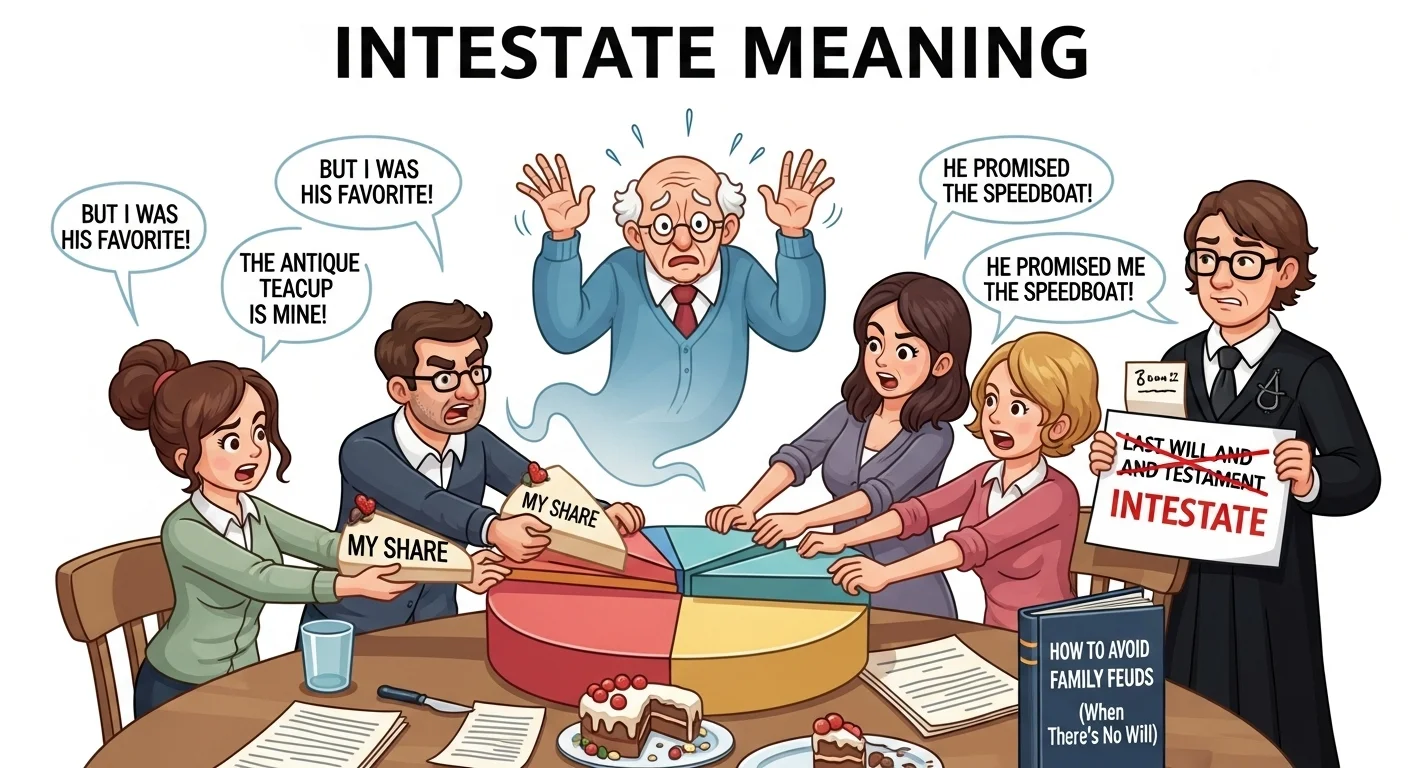
“Writing a will is important. Dying intestate can cause family disputes.”
Explanation: Highlights the consequences of intestacy.
Intestate Meaning in Modern Society
In 2026, intestate situations are still common because many people:
delay making wills
underestimate the importance of estate planning
assume the government will handle everything
Understanding intestate meaning encourages people to plan ahead and prevent complications.
Intestate Meaning in Digital Assets
With the rise of online accounts, cryptocurrencies, and digital property, intestate meaning now includes:
social media accounts
digital money
online subscriptions
If someone dies intestate today, distributing digital assets can be complicated, and understanding intestate meaning helps families handle these modern challenges.
Common Misconceptions About Intestate
Misconception 1: Intestate means the state takes all property.
Reality: The law distributes property to relatives first, not the government.Misconception 2: Only rich people need to worry about intestate issues.
Reality: Anyone with property, bank accounts, or digital assets can face intestacy problems.Misconception 3: Making a simple note counts as a will.
Reality: Legal rules require formal procedures for a valid will.
Related Legal Terms
Understanding intestate meaning also connects to these terms:
will
probate
inheritance
estate planning
executor
succession
These terms often appear together in legal discussions and documents.