

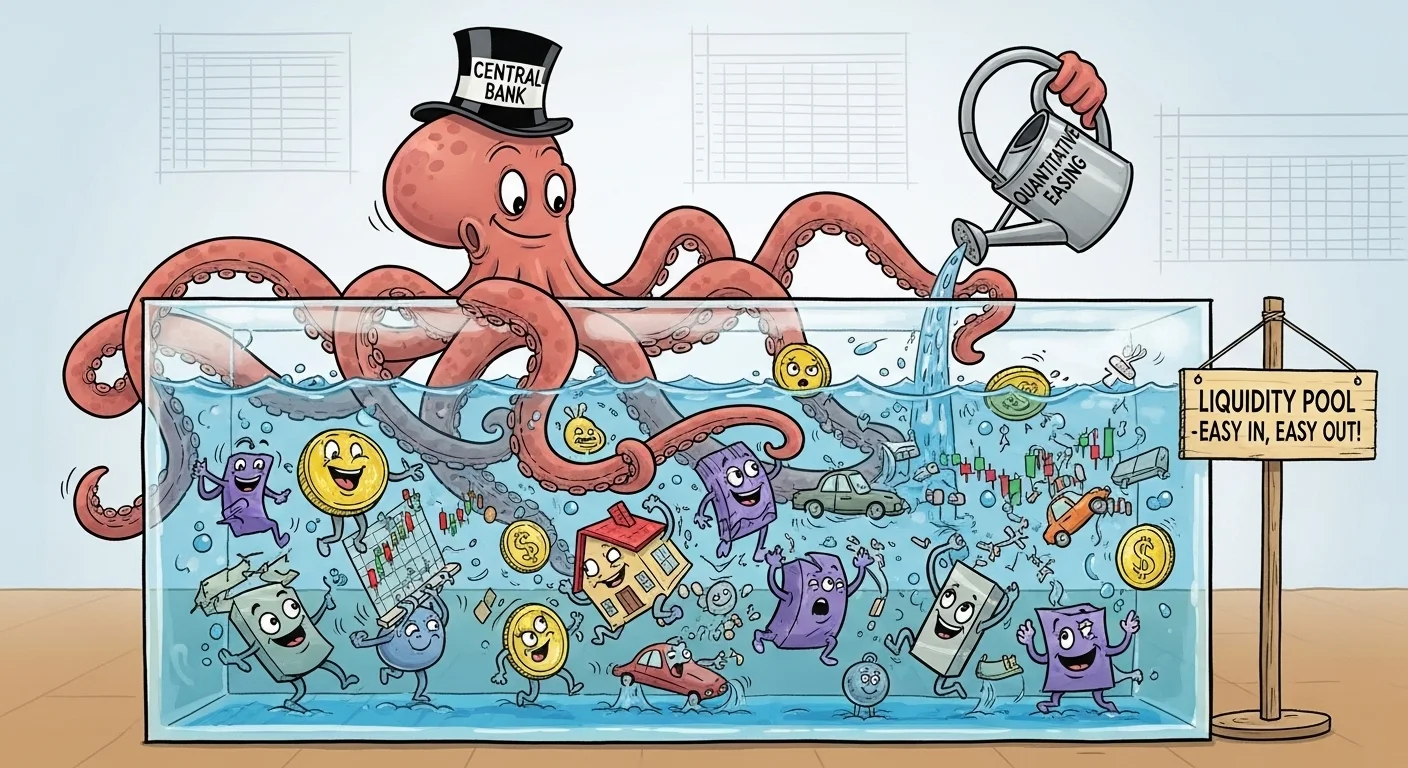
What Does “Liquidity” Mean?
The basic and correct liquidity meaning is:
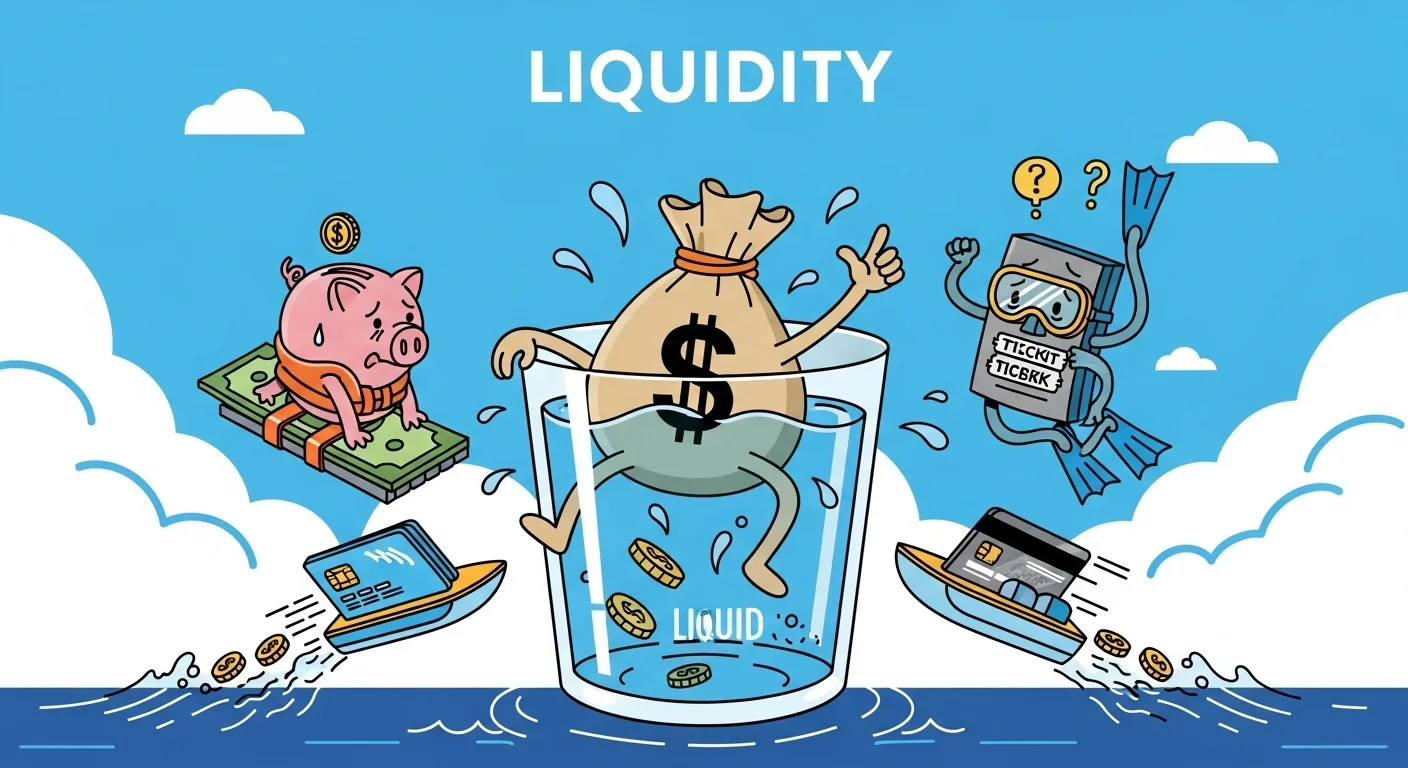
Liquidity refers to how easily an asset or investment can be converted into cash without losing value.
In simple terms:
The easier you can turn it into cash → the more liquid it is.
Liquidity Meaning in Simple English
In very simple words:
liquidity = how quickly and easily something can be turned into cash
Liquidity Meaning in Banking and Finance
In finance, liquidity is critical. It tells us how easily:
banks can meet cash demands
investors can sell assets
companies can pay debts
For example:
“The company has high liquidity.”
This means it has enough cash or easily sellable assets to cover expenses.
Liquidity Meaning in Investments
In investing, liquidity shows how fast you can sell:
stocks
bonds
real estate
cryptocurrencies
For example:
“Stocks are more liquid than real estate.”
Stocks can be sold quickly; real estate takes longer to sell.
Liquidity Meaning in Business
Businesses often measure liquidity to check financial health.
Common liquidity measures include:
current ratio
quick ratio
cash ratio
For example:
“The business has poor liquidity and cannot pay short-term debts.”
Here, liquidity meaning refers to cash availability.
Liquidity Meaning in Economics
In economics, liquidity also refers to:
the availability of cash in the economy
the ease of buying or selling assets
For example:
“High liquidity in the market encourages investment.”
This means money flows easily between buyers and sellers.

Liquidity Meaning in Everyday Life
Even outside finance, liquidity is sometimes used to describe:
how easily something can be used or accessed
For example:
“He prefers liquidity in his savings for emergencies.”
Here, liquidity meaning refers to easy access to cash.
Liquidity Meaning in Markets
Liquidity affects market behavior:
Highly liquid markets → easy to buy/sell without big price changes
Low liquidity markets → hard to sell quickly, price can drop
For example:
“Bitcoin has high liquidity compared to rare collectibles.”
Types of Liquidity
Cash Liquidity → actual money available
Asset Liquidity → assets easily converted to cash
Market Liquidity → how easily an asset can be sold in the market
Real-Life Examples of Liquidity Meaning
Example 1
“The company has enough liquidity to pay its employees.”
Explanation: Liquidity means cash or easily accessible money.
Example 2
“Stocks are highly liquid, but property is less liquid.”
Explanation: Liquidity means how quickly you can convert the asset into cash.
Example 3
“During the crisis, banks struggled with liquidity.”
Explanation: Liquidity refers to available money to meet demands.
How to Improve Liquidity
For businesses and personal finance, liquidity can be improved by:
keeping more cash on hand
investing in liquid assets
reducing unnecessary long-term investments
Liquidity Meaning Compared to Solvency
Liquidity → short-term ability to pay bills or convert assets
Solvency → long-term financial stability
Both are important for financial health but measure different aspects.
Related Words and Terms
If you are learning liquidity meaning, you may also see:
cash flow
assets
current ratio
marketability
quick assets
These words often appear together in finance discussions.