
What Does “Millennial” Mean?
The basic and correct millennial is:
a person who belongs to the generation born roughly between the early 1980s and the mid-1990s.
This generation is also known as:
Generation Y
Millennial in Simple English
In very simple words:
millennial = someone born in the 1980s or 1990s
They grew up during the rise of the internet, mobile phones, and social media.
Who Are Considered Millennials?
Most researchers define millennials as people born:
from about 1981 to 1996
This means in 2026, most millennials are in their late 20s to mid-40s.
Millennial Meaning in Culture
In popular culture, millennials are often described as people who:
grew up using computers and the internet
saw the rise of social media
experienced the shift from traditional media to digital platforms
So millennial is strongly connected to digital change.
Millennial in the Workplace
In workplace discussions, millennial often refers to:
employees who belong to the millennial generation.
They are commonly described as people who value:
flexibility
work-life balance
meaningful work
digital tools
For example:
“Millennials prefer remote work options.”
Millennial in Marketing and Business
In marketing, millennial refers to:
a consumer group defined by age and shared experiences.
For example:
“This product targets millennials.”
Here, millennial refers to a generation used for audience targeting.
Millennial in Social Media and Online Slang
Online, millennial is sometimes used in a humorous or teasing way.
For example:
“That’s such a millennial thing to say.”
Here, millennial meaning refers to a stereotype, not the official age group.
Millennial Meaning and Stereotypes
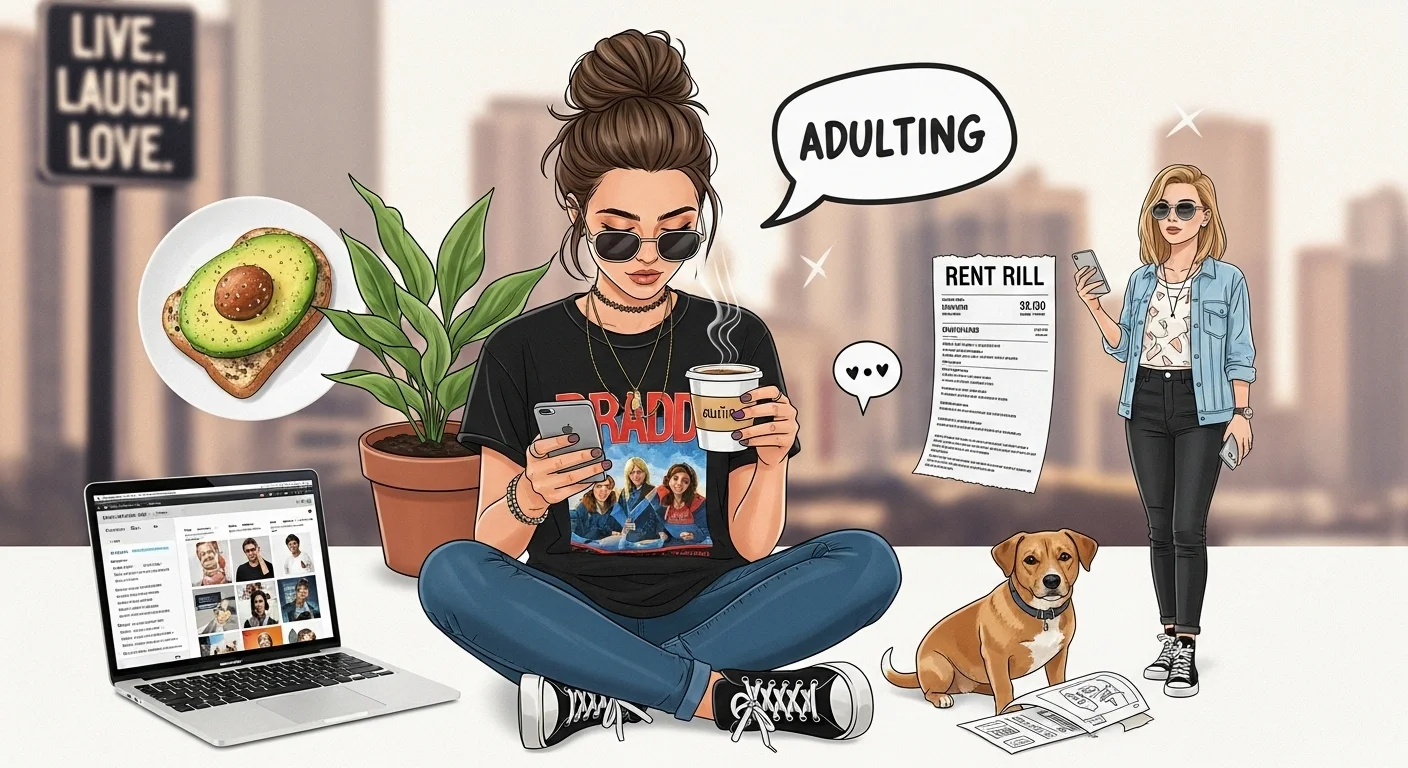
Some common stereotypes connected with millennials include:
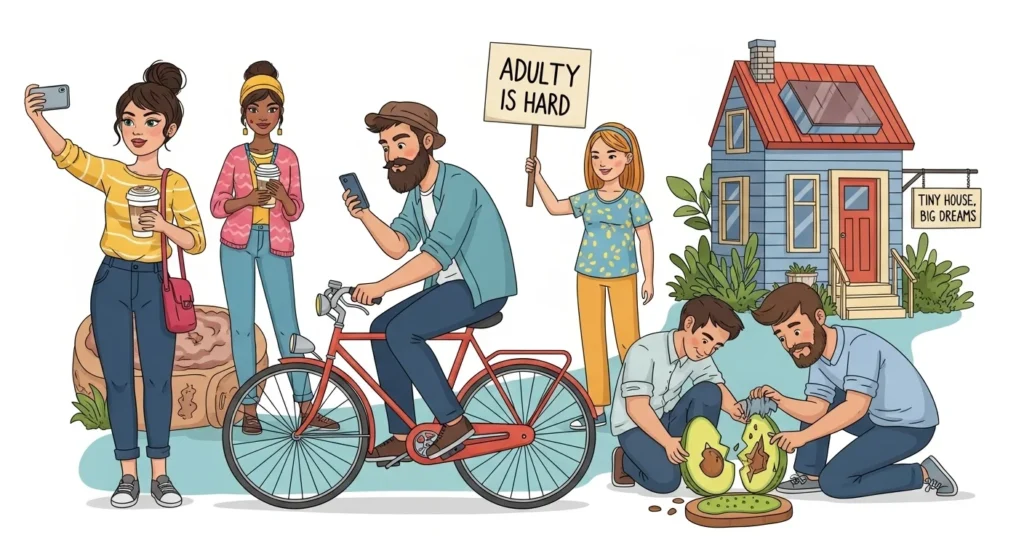
liking avocado toast
being very active on social media
preferring experiences over possessions
These are cultural jokes and do not apply to everyone.
Millennial Compared to Other Generations
To better understand millennial meaning, it helps to compare it with other generations.
Generation X → born before millennials
Millennials (Generation Y) → born roughly 1981–1996
Generation Z → born after millennials
This helps place the word in a generational timeline.
Millennial in News and Public Discussions
In news articles, millennial usually appears when discussing:
housing
careers
education
technology habits
economic challenges
For example:
“Millennials face rising housing costs.”
Here, millennial meaning refers to a large age group in society.
Millennial as an Adjective
Millennial can also be used as an adjective.
For example:
millennial lifestyle
millennial culture
millennial trends
Here, millennial meaning refers to something associated with this generation.
How to Know If Someone Is a Millennial
To understand millennial meaning correctly, you mainly look at:
the person’s birth period
the social and technological environment they grew up in
It is not based on personality, but on generation.
Real-Life Examples of Millennial Meaning
Example 1
“She is a millennial who grew up with early social media.”
Explanation: Millennial means someone from the millennial generation.
Example 2
“The brand focuses on millennial customers.”
Explanation: Millennial refers to a generational target group.
Example 3
“That joke only millennials will understand.”
Explanation: Millennial is used culturally to refer to shared experiences.
Millennial Meaning in Education and Research
In academic research, millennial is used as a demographic category.
For example:
“The study compares millennials and Gen Z users.”
Here, millennial meaning is strictly age-based and research-focused.
Millennial Meaning in Everyday Conversation
In casual conversation, people often say:
“I’m a millennial.”
“She’s more Gen Z than millennial.”
Here, millennial meaning is used informally to describe age and culture.

Related Words and Concepts
When learning millennial meaning, you may also come across:
Generation Y
Gen Z
Gen X
digital natives
generational trends
These words often appear in similar discussions.