
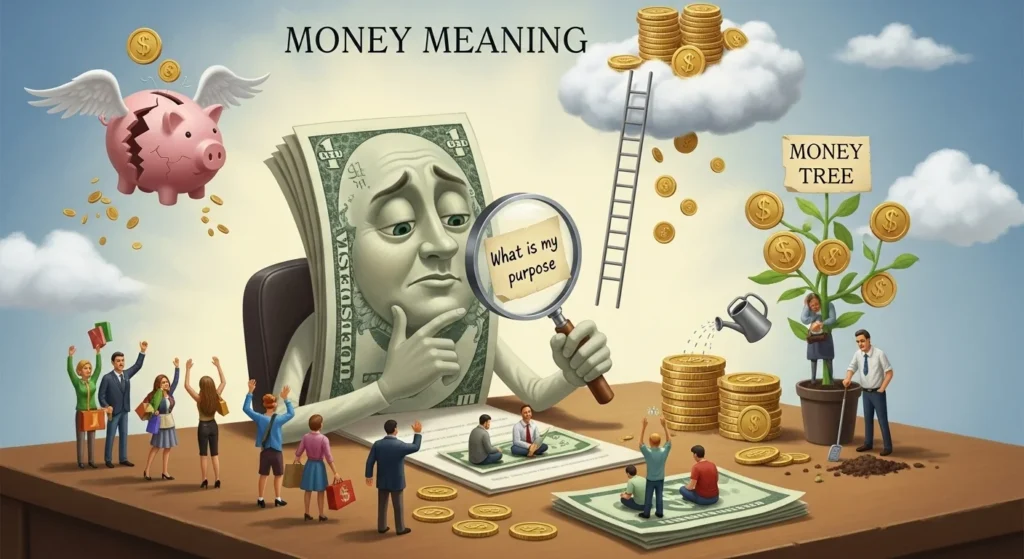
What Does “Money” Mean?
The simplest and most accurate money is:
Money is a system used to buy, sell, and measure the value of goods and services.
In simple words, money is what people use to pay for things.
Money allows people to:
buy products and services
receive payment for work
save value for the future
compare prices easily
Simple Definition of Money in Easy English
You can remember money like this:
Money = something people accept in exchange for goods and services
It does not have to be paper only. It can be:
coins
banknotes
digital balances
mobile money
Why Money Exists
Before money existed, people used barter systems.
That means:
you exchanged goods for goods
you exchanged services for services
This system was slow and difficult.
Money was created to:
make trade easier
store value
measure prices
support growing economies
This explains the foundation of modern money .
Money Meaning in Daily Life
In everyday life, money is mainly used to:
pay bills
buy food and clothing
travel
pay rent
support family
In daily conversation, money meaning usually refers to personal finances and living costs.
For most people, money is directly linked to security and comfort.
Money in Work and Career
In professional life, money represents:
salary
wages
bonuses
income
When people talk about money at work, they usually mean:
how much they earn
how stable their job is
how valuable their skills are
So in career discussions, money meaning becomes connected to personal success and opportunity.
Money Meaning in Business
In business, money has a more technical role.
It represents:
revenue
profit
expenses
investment
cash flow
In business language, money meaning focuses on how funds move through a company and support growth.
Money Meaning in Banking and Finance
In finance, money refers to:
deposits
loans
interest
savings
investments
Banks use money to:
lend to businesses
support housing markets
finance education
manage economic stability
Here, money meaning is closely linked to financial systems and institutions.
Money Meaning in Digital and Online Payments
In 2026, money is mostly digital.
People use:
online banking
mobile wallets
QR payments
contactless cards
So modern money meaning includes:
electronic value that can be transferred instantly without physical cash.
Money Meaning in Cryptocurrency and Virtual Assets
In modern discussions, some people include cryptocurrencies when talking about money.
Digital assets are used for:
investment
online transactions
cross-border payments
However, not all digital assets are considered official money by governments.
This shows that money meaning continues to evolve.
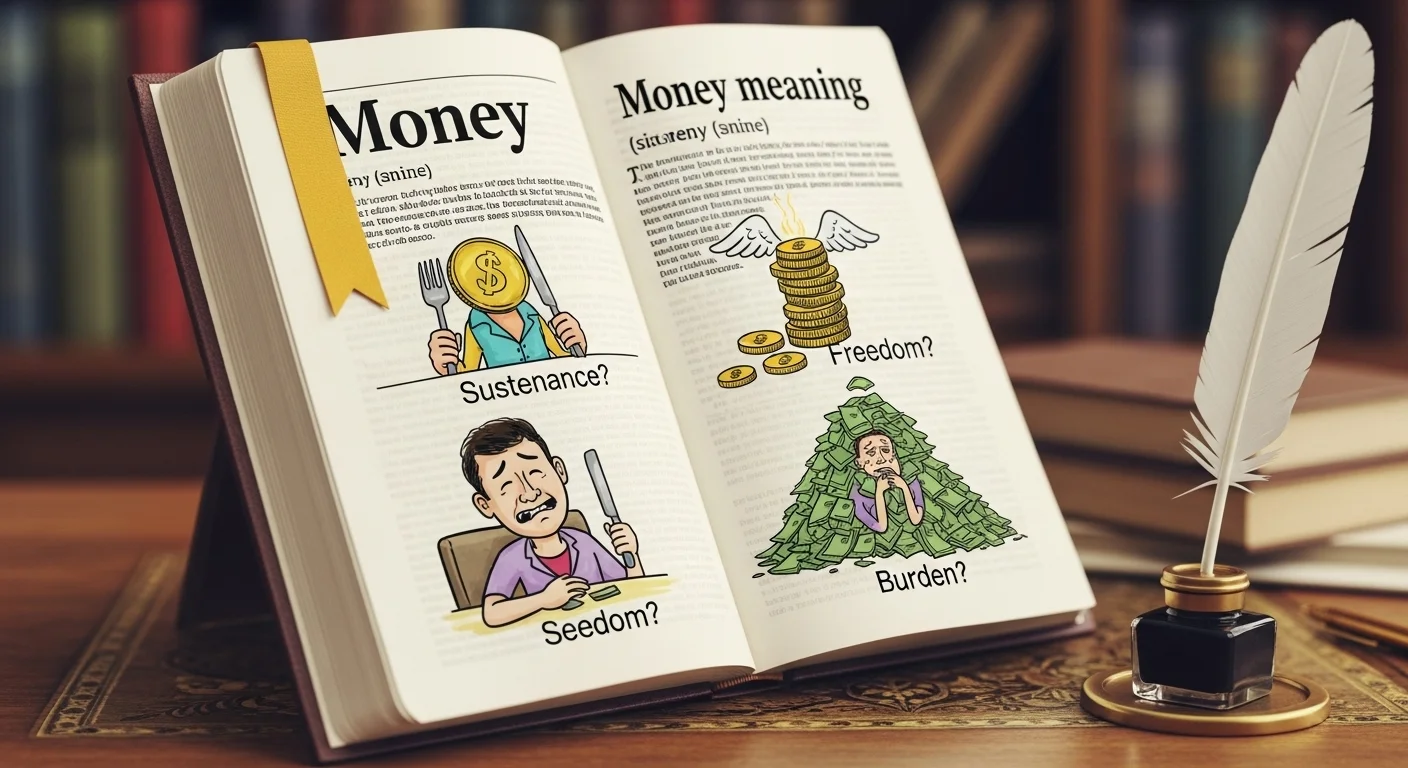
Money Meaning in Real Conversations
People usually talk about money in simple ways:
“I don’t have enough money this month.”
“I need to save money.”
“Money is tight right now.”
In everyday speech, money meaning is often emotional and practical rather than technical.
Real-Life Examples of Money in Use
Example 1
“I need money to pay my rent.”
Explanation: Money is used as payment.
Example 2
“She earns good money in her new job.”
Explanation: Money refers to salary.
Example 3
“The business lost a lot of money last year.”
Explanation: Money refers to profit and financial results.
These examples show how flexible money meaning is.
Functions of Money
Understanding money meaning also includes knowing what money does.
The main functions of money are:
Medium of exchange
Store of value
Unit of account
These three functions explain why money works in every economy.
Money Meaning in Culture and Society
Money is not only an economic tool. It also has cultural meaning.
In many societies, money is connected to:
status
success
independence
security
People often judge progress and stability based on money.
This emotional and social layer strongly influences money meaning in modern life.
Money Meaning in Education and Students’ Life
For students, money usually means:
tuition fees
allowances
part-time income
living expenses
So in education context, money meaning is linked to opportunity and access to learning.
Money Meaning in Family and Relationships
Inside families, money is often connected to:
responsibility
support
planning
future goals
People talk about:
saving for children
helping parents
managing household budgets
This shows that money meaning also includes care and commitment.
Physical Money vs Digital Money
There are two main forms today.
Physical money
cash and coins
accepted everywhere
no internet needed
Digital money
bank transfers
mobile wallets
online payments
Both forms represent the same money meaning, only the format is different.
Money Meaning in Government and Economy
At national level, money refers to:
national currency
public spending
taxation
economic policy
Governments use money to:
build infrastructure
pay public workers
support social programs
So at this level, money meaning becomes part of public policy.
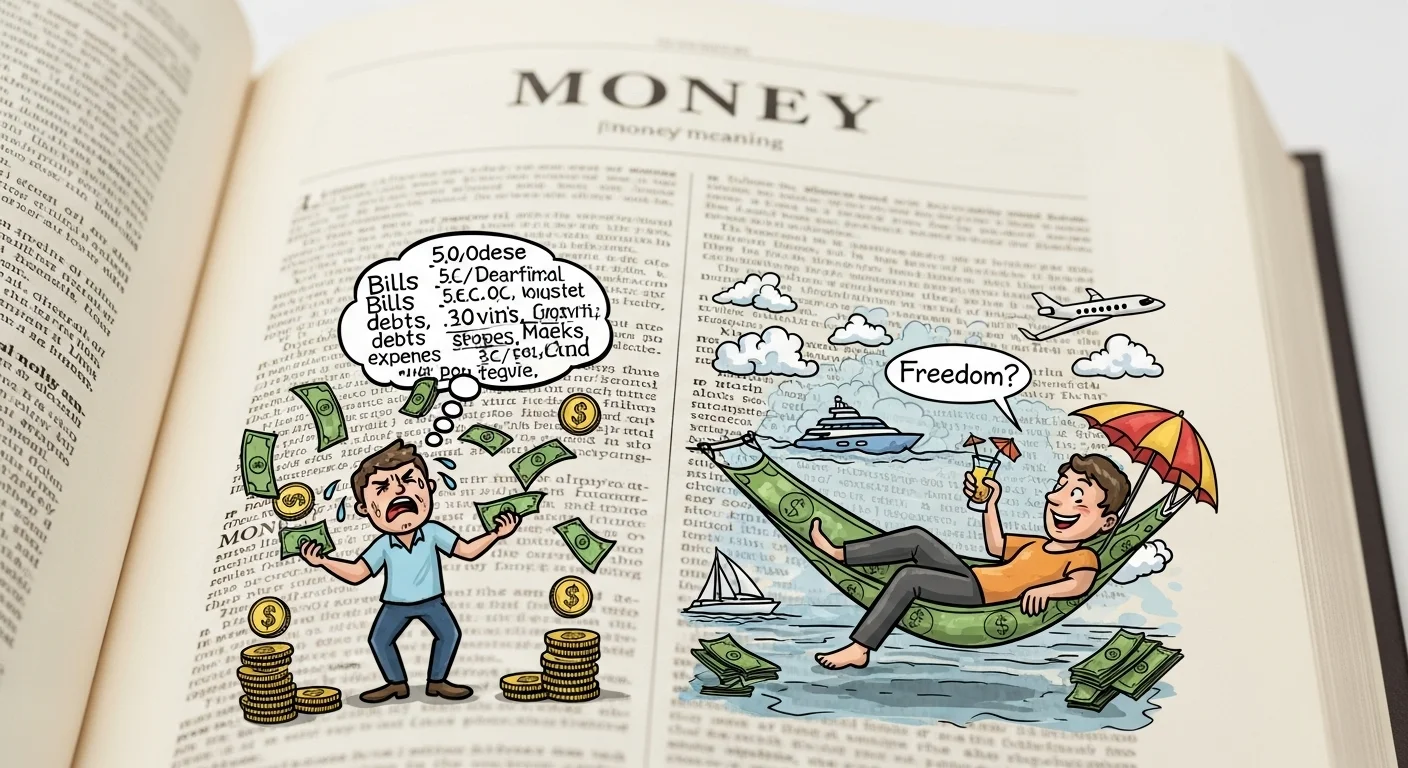
Money Meaning in Personal Freedom
Many people connect money with:
freedom of choice
ability to travel
ability to change jobs
ability to support loved ones
This personal perspective strongly shapes how people think about money in 2026.
Money Meaning vs Wealth
These two words are related but not the same.
Money is what you use and spend.
Wealth includes money plus assets like property, businesses, and investments.
Understanding this difference helps clarify money meaning properly.
Common Expressions with Money
You may hear expressions such as:
save money
make money
spend money
waste money
money matters
These expressions reflect how central money is to everyday language.
Why Money Still Matters in 2026
In 2026, global work, remote jobs, digital payments, and online businesses continue to grow.
Money still matters because it:
connects people across countries
supports digital lifestyles
powers education and innovation
helps people plan their future
So modern money meaning includes both physical and digital value.
Related Words and Topics
If you are learning about money meaning, you may also want to explore:
income
salary
savings
investment
budget
expenses
These words are closely connected to daily financial life.