
What Does “Off the Hook” Mean?
The phrase off the hook has two main meanings in modern English:
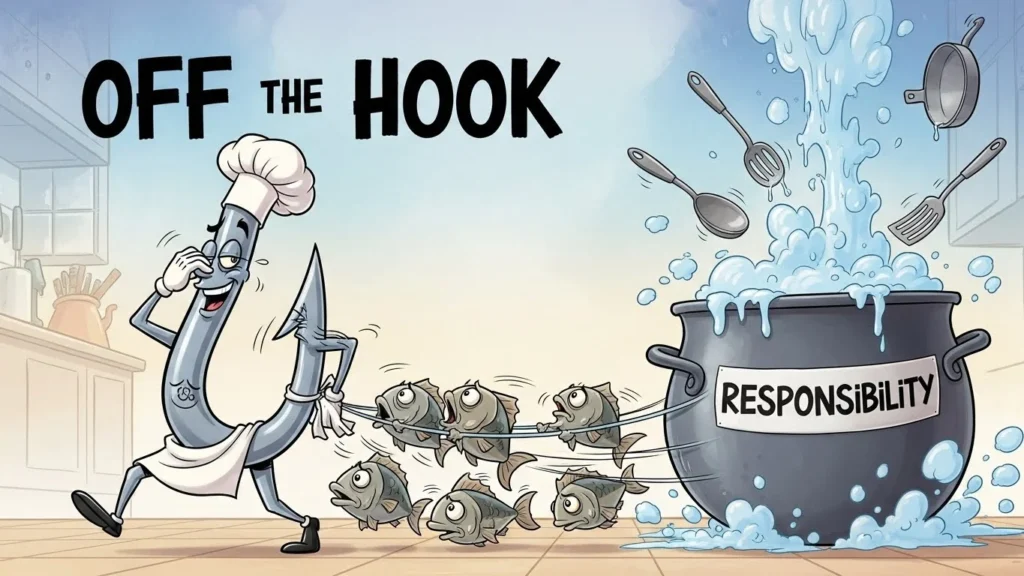
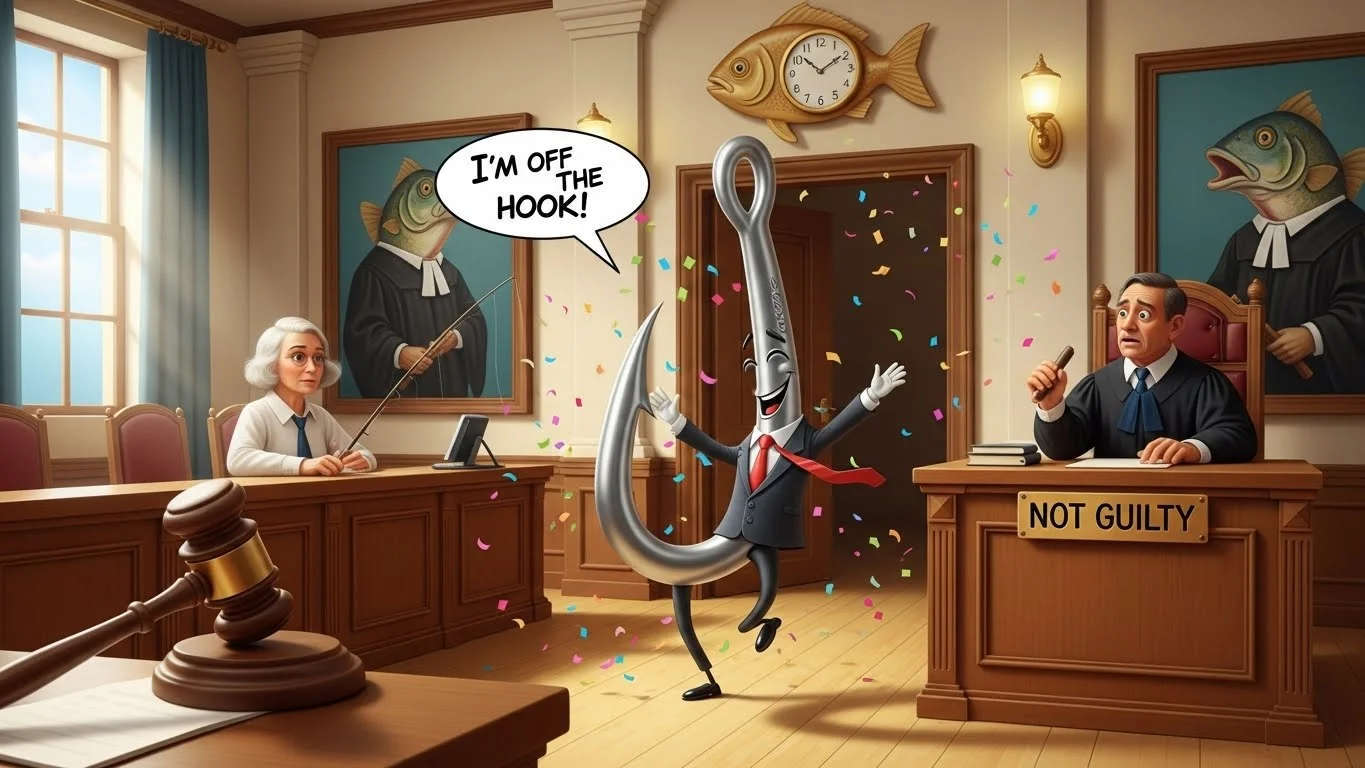
Released from blame, duty, or responsibility
Extremely exciting, impressive, or amazing (slang)
Understanding which meaning applies depends entirely on context.
Off the Hook Meaning in Simple Words
In very simple language:
If you’re off the hook, you’re not in trouble anymore
If something is off the hook, it’s really, really good
Same phrase, different meanings.
Origin of the Phrase “Off the Hook”
The phrase comes from old telephone and fishing terms.
Early telephones worked when the receiver was on a hook
When it was off the hook, the call was active
Fishing hooks also inspired the idea of being released
Over time, the phrase evolved to mean freedom or intensity, depending on usage.
Off the Hook Meaning: Released From Responsibility
This is the original and more literal meaning.
It means:
You’re no longer blamed
You’re no longer expected to do something
You’re free from consequences
Example:
“The teacher let him off the hook after hearing the explanation.”
Off the Hook Meaning as Slang (Very Good or Exciting)
In slang, off the hook means:
Amazing
Incredible
Extremely fun
This usage became popular through music, youth culture, and casual speech.
Example:
“That concert was off the hook.”
How People Use “Off the Hook” in Daily Conversations
You’ll hear it used in:
Casual conversations
Social media captions
Music lyrics
Pop culture
The tone is usually informal and expressive.
Real-Life Examples of “Off the Hook”
Here are clear, relatable examples:
“You forgot your homework, but you’re off the hook this time.”
“That new restaurant is off the hook.”
“The party last night was completely off the hook.”
“I thought I was in trouble, but my boss let me off the hook.”
Each example shows a different context, not a different phrase.
Off the Hook Meaning in Texting and Chat
In texts, off the hook often means something exciting.
Example:
“That game last night was off the hook.”
In messages, tone usually tells you which meaning applies.
Off the Hook Meaning in Music and Pop Culture
The phrase appears often in:
Song lyrics
Movie dialogue
TV shows
Artists use it to describe:
High energy
Fun experiences
Impressive performances
This helped spread the slang meaning globally.
Is “Off the Hook” Positive or Negative?
It’s usually positive, but it depends on context.
Positive:
Something exciting
Being forgiven
Neutral:
Simply released from duty
It’s rarely negative.
Common Misunderstandings About “Off the Hook”
People sometimes:
Assume it always means “not in trouble”
Misuse it in formal writing
Confuse it with “hooked”
Remember: context decides the meaning.
Off the Hook vs Similar Phrases
Here’s how it compares:
Off the hook – amazing or forgiven
Hooked – addicted or very interested
On the line – at risk or responsible
They sound similar but mean different things.
When Should You Use “Off the Hook”?
Use it when:
Speaking casually
Describing something exciting
Talking about being forgiven
Avoid it in:
Formal business writing
Legal documents
Academic essays
Synonyms for “Off the Hook”
Depending on meaning:
For exciting:
Amazing
Incredible
Awesome
Fire
For forgiven:
Let go
Excused
Cleared
Is “Off the Hook” Still Used in 2026?
Yes. In 2026, it’s still:
Common in spoken English
Understood across age groups
Popular in informal speech
It hasn’t gone out of style.
Cultural Meaning of “Off the Hook”
Culturally, the phrase represents:
Freedom
Relief
High energy
That’s why it fits both meanings so naturally.
How to Tell Which Meaning Is Intended
Ask yourself:
Is someone talking about trouble or responsibility?
Or are they describing an experience or event?
That answer tells you the meaning instantly.