
Peon Meaning in Urdu
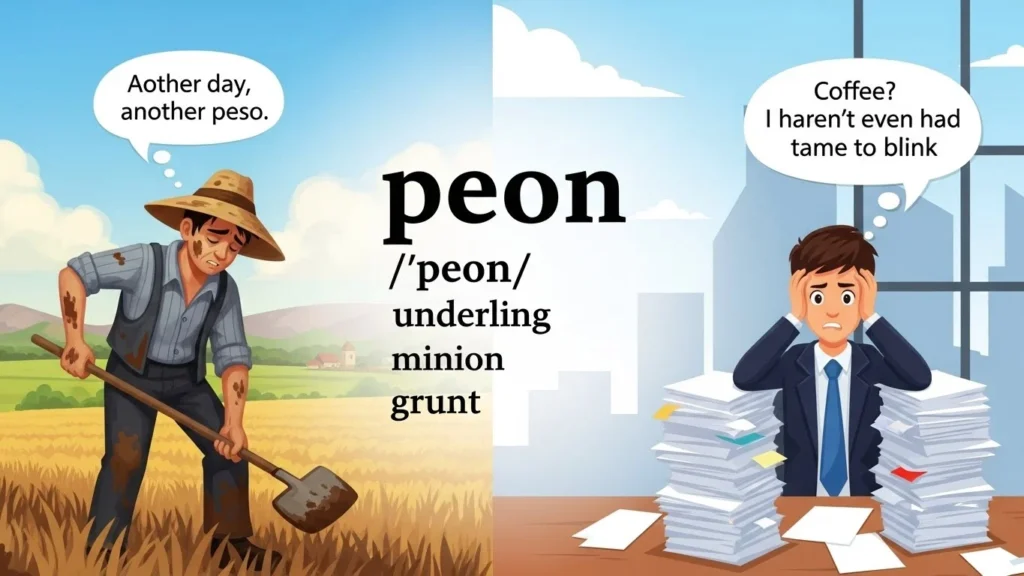
In Urdu, “peon” is translated as “چپراسی”. It refers to a person who performs basic office tasks such as delivering files, serving tea, cleaning, and assisting staff. The role is common in schools, government offices, and private companies.
Peon Meaning in English
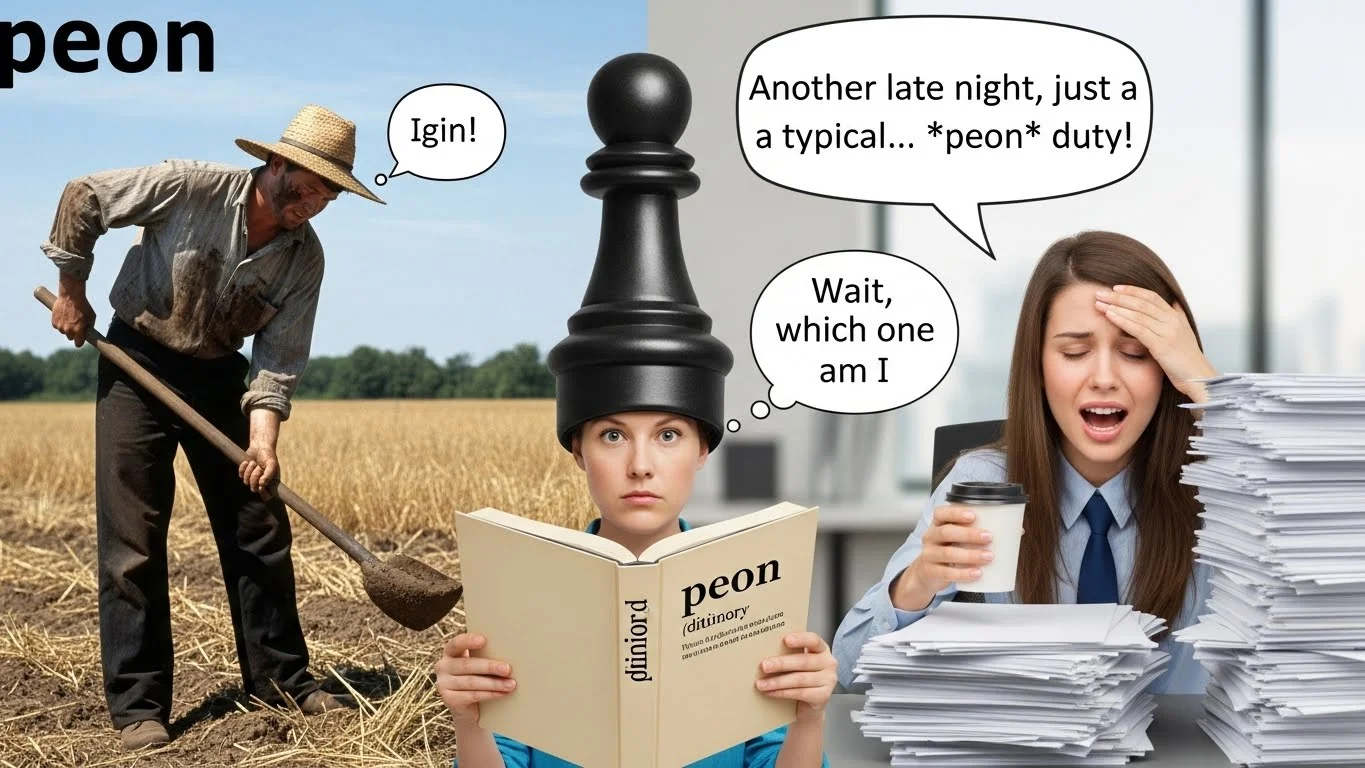
In English, “peon” traditionally means a low-ranking worker or office assistant who performs routine tasks. Historically, the term was also used in some regions to describe a laborer or servant. In modern usage, it generally refers to someone in a junior or support role within an organization.
Office Peon Meaning
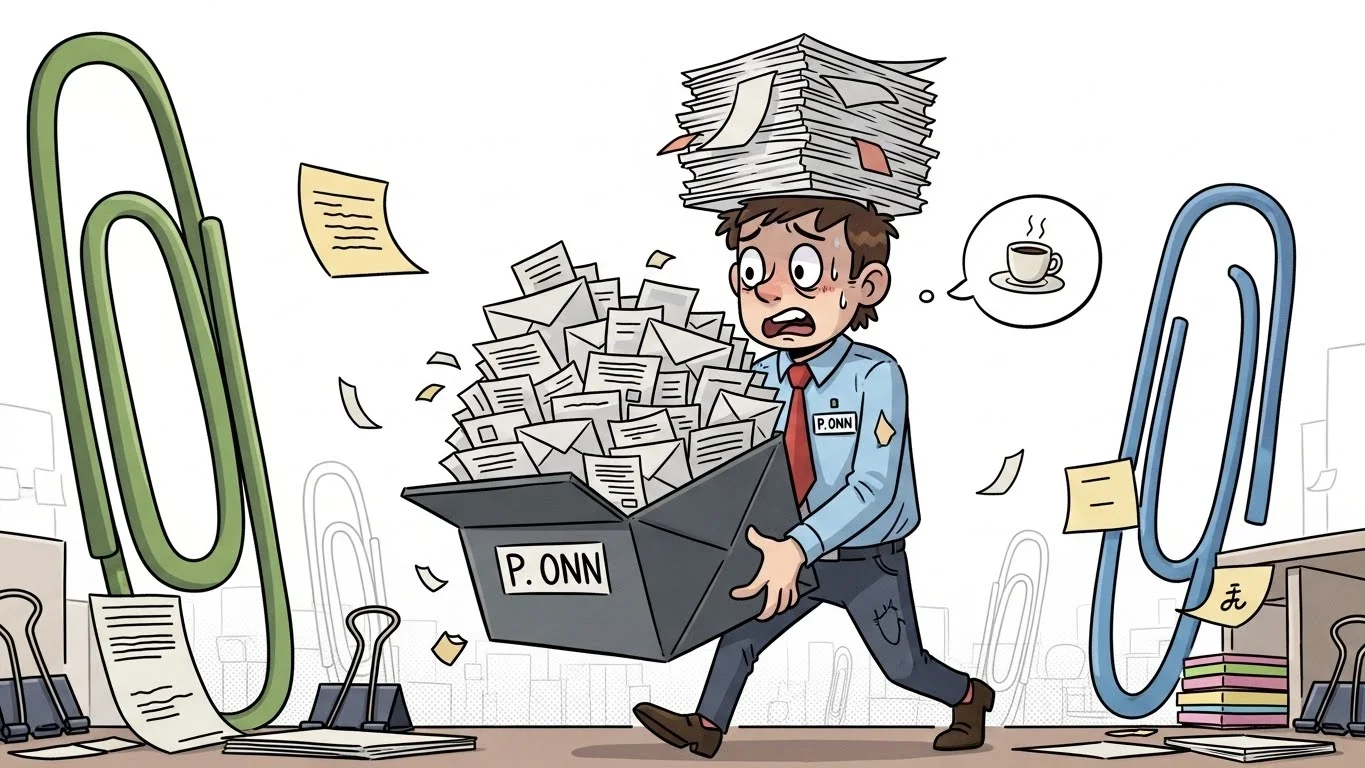
An office peon is an employee responsible for basic support duties in a workplace. These duties may include carrying documents, maintaining cleanliness, handling small errands, and assisting other staff members. The position is essential for smooth day-to-day operations, even though it is considered an entry-level role.
Peon Meaning Pronounce
The word “peon” is pronounced as “PEE-on” (/ˈpiːɒn/ or /ˈpiːən/). The pronunciation may vary slightly depending on accent, but the most common form is “pee-on.”
Peon Meaning Synonyms
Some common synonyms of “peon” include:
- Office assistant
- Attendant
- Helper
- Clerk (in some contexts)
- Messenger
These words may vary slightly in meaning but are often used in similar situations.
Peon Meaning Slang TikTok
On TikTok, “peon” can be used as slang to describe someone considered low-status, unimportant, or easily controlled. It is often used humorously or sarcastically in videos and comments. However, the tone can sometimes be negative depending on context.
Peon Meaning Slang
In slang, “peon” is used to refer to a person with little power, influence, or importance. It may describe someone who follows orders without authority. While it can be used jokingly among friends, it can also be insulting if used in a serious context.
Peon Meaning Small
When people use “peon” to mean “small,” they are usually referring metaphorically to someone with low rank, minor importance, or limited influence. It does not literally mean small in size but rather small in status or role.
What Does “Peon” Mean?
A peon is generally defined as:
A low-ranking worker or laborer
Often performing basic or menial tasks
Historically, someone with little authority or pay
Simple definition:
Peon = a worker with simple duties, often reporting to higher authorities.
Peon Meaning in Simple Words
Someone who does small or routine jobs
Usually in offices, hotels, or manual labor settings
Often the first person contacted for minor tasks or errands
Origin and History of the Word “Peon”
Comes from Spanish “peón”, meaning day laborer or foot soldier
Originally referred to agricultural workers or laborers in Latin America
Introduced to English in the 16th–17th centuries
Historically, peons were low-status workers under feudal systems
Peon Meaning in the Workplace
In modern workplaces, a peon may refer to:
Office assistant or helper
Messenger or runner
Cleaner or maintenance staff in some contexts
Person performing administrative errands
Example:
“The office peon delivered the files to all the departments.”
Peon Meaning in India
In India, the term peon is commonly used for office attendants
Duties include delivering letters, files, and messages, running errands, or assisting staff
Typically an entry-level position in government offices or private companies
Peon in Historical Context
Peons were low-status workers in colonial India and Latin America
Often landless laborers or indentured servants
The term sometimes reflected social hierarchy and subordination
Peon vs Clerk
| Feature | Peon | Clerk |
|---|---|---|
| Responsibility | Basic errands, support | Administrative, documentation |
| Status | Lower rank | Higher rank than peon |
| Skills | Minimal | Some clerical skills |
| Authority | None | Limited decision-making |
Common Misunderstandings About Peon
Being called a peon today can sound derogatory, but historically it was just a job title
Not all low-ranking workers are peons—context matters
The role varies widely depending on country and workplace
Peon in Pop Culture
Often referenced humorously in films or TV shows
Used as a stereotype of someone doing menial or repetitive tasks
Example: “I feel like a peon in this huge office.”
Tips for Understanding and Using the Word “Peon”
Respect context—can be neutral or slightly negative depending on tone
Recognize the historical roots if reading old literature
Avoid using it to insult someone in professional settings
Related Terms and Concepts
Messenger: Similar to office peon in duties
Errand boy/girl: Another casual term
Office attendant: Professional term in corporate settings
Menial worker: General term for low-rank labor