
What Does “Prognosis” Mean?
The clear and correct prognosis is:
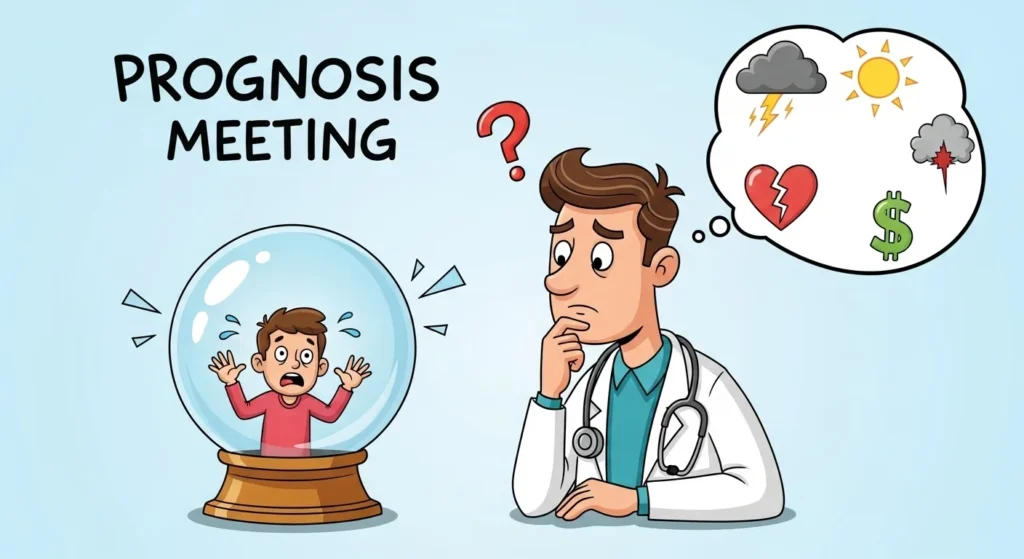
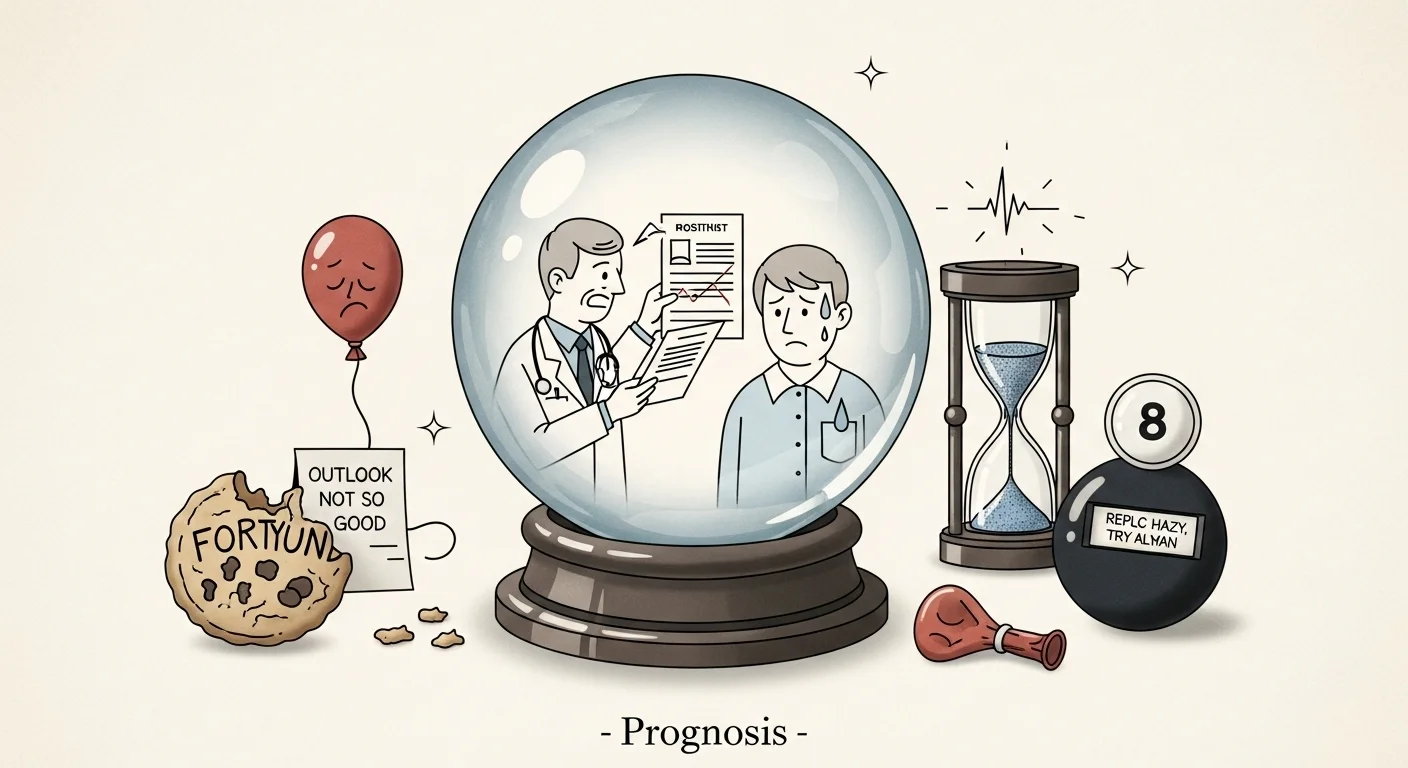
Prognosis means a medical prediction about how a disease or health condition is likely to develop in the future.
In simple words, prognosis answers this question:
-
What will probably happen to the patient?
It is not a diagnosis. It is a future outlook.
Prognosis Meaning in Simple English
You can remember it like this:
Prognosis = doctor’s best guess about the future of an illness.
For example:
-
Will the patient recover?
-
Will the condition improve?
-
Will it get worse?
All of these are part of prognosis .
Prognosis Meaning in Medical Context
In hospitals and clinics, doctors use prognosis to talk about:
-
chances of recovery
-
expected improvement
-
possible complications
-
long-term outcome
For example:
-
“The prognosis is good with early treatment.”
-
“The prognosis depends on how the patient responds to therapy.”
Here, prognosis meaning clearly refers to the expected future result.
Difference Between Diagnosis and Prognosis
Many people confuse these two words.
-
Diagnosis means identifying what disease a person has.
-
Prognosis means predicting what will happen next.
So the main point of prognosis is about the future, not about naming the disease.
Why Prognosis Is Important for Patients
Understanding prognosis helps patients and families:
-
prepare emotionally
-
plan treatment and care
-
make life and work decisions
-
understand medical options
This is why doctors carefully explain prognosis in serious or long-term illnesses.
Prognosis Meaning in Everyday Language
Outside hospitals, people still use prognosis in a similar way.
For example:
-
“The prognosis for the project is not very good.”
-
“The company’s prognosis looks positive this year.”
In these sentences, prognosis meaning is extended to mean:
an expected future outcome of a situation.
What Factors Affect a Prognosis?
Doctors do not guess randomly. A prognosis is based on:
-
the type of disease
-
how early it was detected
-
age and general health of the patient
-
response to treatment
-
medical research and statistics
So prognosis meaning includes professional judgment based on real data.
Prognosis Meaning in Serious Illness
In serious conditions such as cancer, heart disease, or stroke, prognosis often refers to:
-
survival chances
-
quality of life
-
long-term recovery
For example:
-
“The long-term prognosis depends on early surgery.”
This shows how prognosis meaning becomes very important in treatment planning.
Good Prognosis vs Poor Prognosis
You may hear two very common phrases.
-
Good prognosis – the patient is likely to recover or improve.
-
Poor prognosis – the chances of recovery are low or uncertain.
These phrases are widely used in medical communication.
Real-Life Examples of Prognosis Meaning
Example 1
“The doctor said the prognosis is excellent after surgery.”
Explanation: The patient is expected to recover well.
Example 2
“Early treatment improves the prognosis.”
Explanation: The future outcome becomes better with quick care.
Example 3
“The prognosis remains uncertain.”
Explanation: Doctors cannot yet predict the future result clearly.
These examples show how prognosis meaning focuses on what is likely to happen.
Prognosis Meaning Compared to Treatment
It is important to understand:
-
Treatment is what doctors do to help the patient.
-
Prognosis is what doctors expect to happen after or during treatment.
So treatment changes the prognosis, but they are not the same thing.
Prognosis Meaning in Medical Reports
In written reports, you may see lines such as:
-
“Overall prognosis: favorable.”
-
“Long-term prognosis remains guarded.”
These short statements summarize the future outlook of the patient.
Prognosis Meaning in Modern Healthcare in 2026
In 2026, prognosis is often supported by:
-
AI-assisted medical analysis
-
large medical databases
-
personalized medicine
-
genetic information
This helps doctors provide more accurate and personalized prognoses than before.
Can a Prognosis Change Over Time?
Yes. A prognosis can change if:
-
the patient improves faster than expected
-
new complications appear
-
new treatments become available
So prognosis meaning is not fixed forever. It can be updated as the situation changes.
Prognosis Meaning and Emotional Impact
For many patients, hearing a prognosis can be:
-
comforting
-
stressful
-
motivating
Doctors usually explain prognosis carefully to avoid misunderstanding and unnecessary fear.
Prognosis Meaning in Other Fields
Although prognosis is mainly medical, it can also be used in:
-
economics
-
business
-
social studies
For example:
-
“The economic prognosis for next year is positive.”
Here, prognosis meaning is still about predicting future outcomes.
Related Medical Terms
If you are learning prognosis meaning, you may also see:
-
diagnosis
-
treatment
-
therapy
-
recovery
-
complication
-
outcome
These words often appear together in medical conversations.