
What Does “Reliquary” Mean?
A reliquary meaning is a container designed to hold and display sacred relics.
Simple definition:
Reliquary = a special box, vessel, or shrine that preserves objects of religious or spiritual significance.
Example:
“The museum displayed a golden reliquary containing a fragment believed to be from a saint’s bone.”
Origin of the Word “Reliquary”
Derived from the Latin “reliquiae”, meaning remains or relics
The term evolved in the Middle Ages to describe ornate containers holding sacred objects
Reliquaries became central in Christian churches and later spread to other religions
Historical Significance of Reliquaries
First widely used in medieval Europe
Important for:
Religious worship
Pilgrimages—people traveled to see relics
Artistic expression—many reliquaries were highly decorative
Often made of gold, silver, or precious stones to reflect the sacredness of the relic
Types of Reliquaries
Box Reliquary (Chasse): Shaped like a small chest, often decorated with enamel or jewels
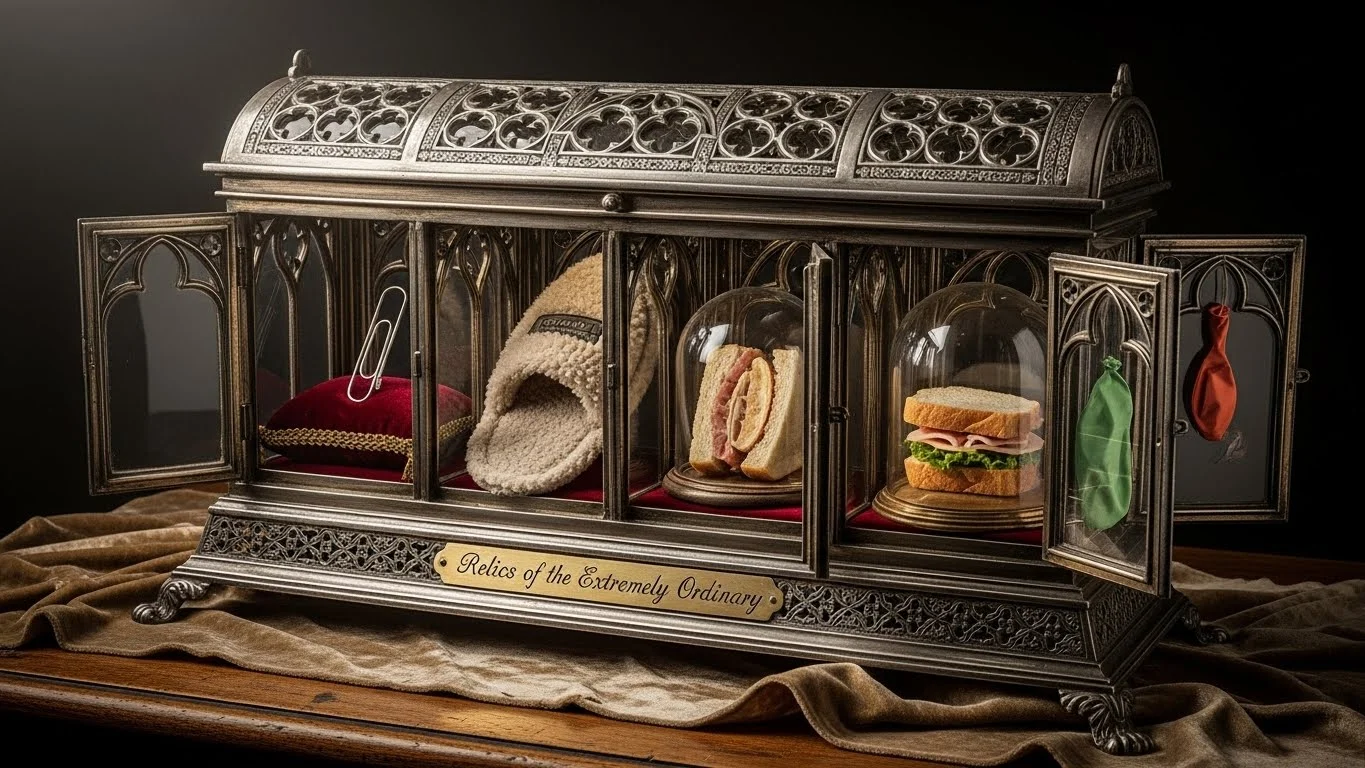
Casket Reliquary: Holds multiple relics in compartments
Bust or Statue Reliquary: Shaped like the head or body of a saint
Portable Reliquary: Small enough to carry during processions or travels
Shrine Reliquary: Large and elaborate, often stationary in churches or cathedrals
Reliquary Meaning in Religious Context
Houses bones, clothing, or objects associated with saints or holy figures
Believed to carry spiritual power or blessings
Central in Christianity, Buddhism, and other religions
Example:
“The reliquary containing the relic of Saint Mark was the centerpiece of the cathedral.”
Reliquaries as Works of Art
Made from gold, silver, crystal, enamel, and gemstones
Often depict religious scenes or figures
Showcases medieval craftsmanship and artistry
Museums display reliquaries to highlight both spiritual and cultural significance
Common Misunderstandings About Reliquaries
A reliquary is not the relic itself; it is the container
Not all old boxes or shrines are reliquaries—they specifically hold sacred relics
Reliquaries are not limited to Christianity; other religions have similar sacred containers
Reliquaries in Modern Times
Preserved in churches, museums, and historical collections
Studied by historians, archaeologists, and art scholars
Sometimes used in religious rituals or special ceremonies
Example:
“The reliquary is displayed behind glass to preserve its delicate medieval enamel.”
Related Terms and Concepts
Relic: The sacred object contained in a reliquary
Shrine: A sacred place that may house a reliquary
Chalice: Another type of sacred vessel, often for ceremonial purposes
Pilgrimage: Journey to visit holy relics and reliquaries
Enamel work: Decorative technique used on many reliquaries