


Superlative Meaning in Simple Words 2026
The superlative meaning is the highest degree or the best form of something.
In simple terms, superlative means:
The most extreme quality
The best, biggest, or highest in comparison
Used to show superiority
Example: “Mount Everest is the tallest mountain in the world.”
Superlative Meaning in Grammar 2026
In grammar, a superlative is:
A form of an adjective or adverb that shows the highest degree
Often formed by adding -est or using most
Examples:
Small → Smallest
Beautiful → Most beautiful
Superlative vs Comparative Meaning 2026
Superlative: Shows the highest or lowest degree (e.g., “She is the fastest runner.”)
Comparative: Shows a difference between two things (e.g., “She is faster than him.”)
Superlative always compares one item to a group, while comparative compares two items.
Superlative Meaning in Everyday Language 2026
Beyond grammar, superlative can also mean:
Exceptional quality
The best example of something
Example: “That was a superlative performance by the actor.”
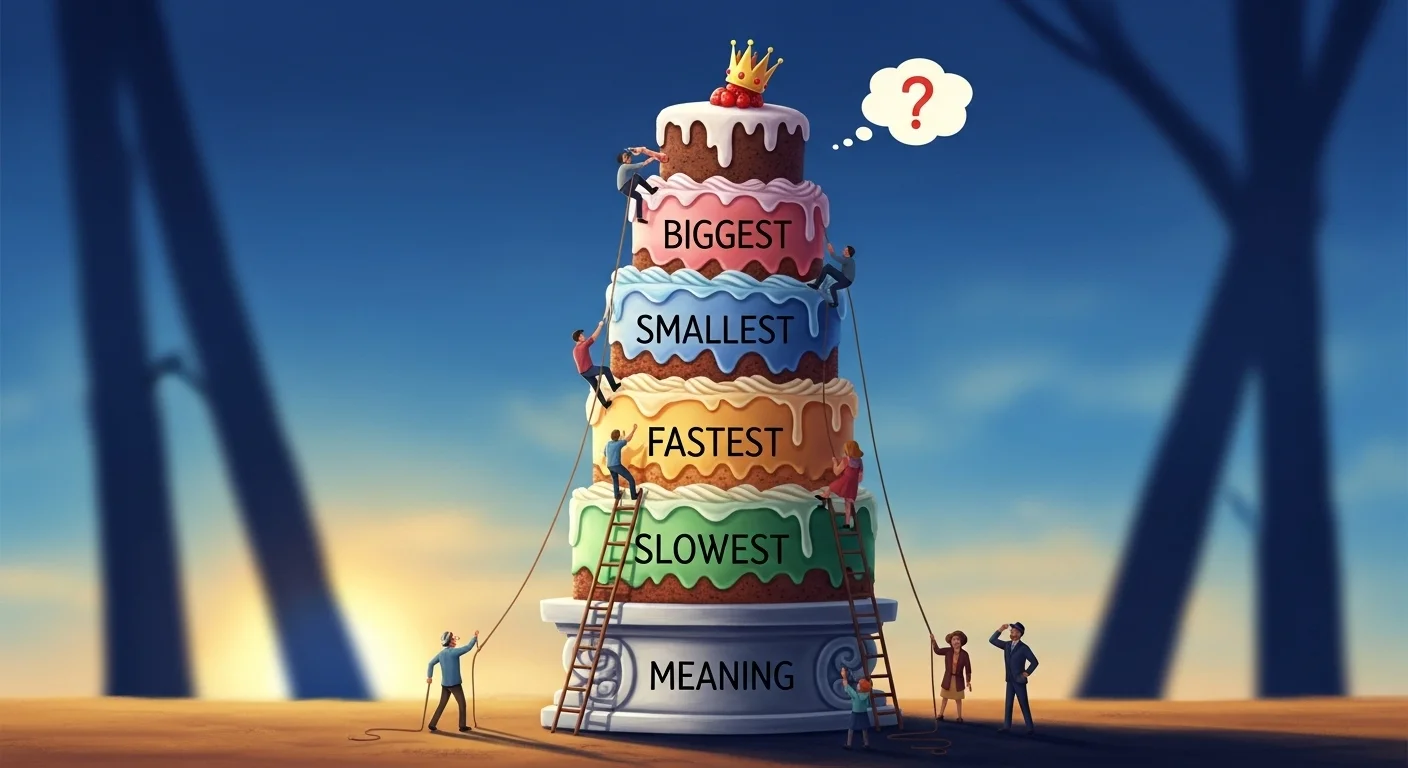
How to Form Superlatives 2026
Short adjectives: Add -est (e.g., tall → tallest)
Long adjectives: Use most (e.g., interesting → most interesting)
Irregular forms: Use special words (e.g., good → best, bad → worst)
Correct formation depends on the word and context.
Why Understanding Superlative Meaning Matters 2026
Understanding superlatives helps you:
Speak and write correctly in English
Describe things clearly and accurately
Compare objects, people, or ideas effectively
It is essential for both formal and informal communication.
Common Misunderstandings About Superlatives 2026
Common mistakes include:
Using superlatives for only two items (comparative is correct)
Forming superlatives incorrectly (e.g., more tallest)
Misusing irregular forms
Careful attention ensures proper usage.

Superlative Meaning in Example Sentences 2026
Examples include:
“This is the most exciting book I have ever read.”
“She is the fastest swimmer on the team.”
“It was a superlative meal at the restaurant.”
“Mount Everest is the highest mountain on Earth.”