
What Does “Vinyl” Mean?
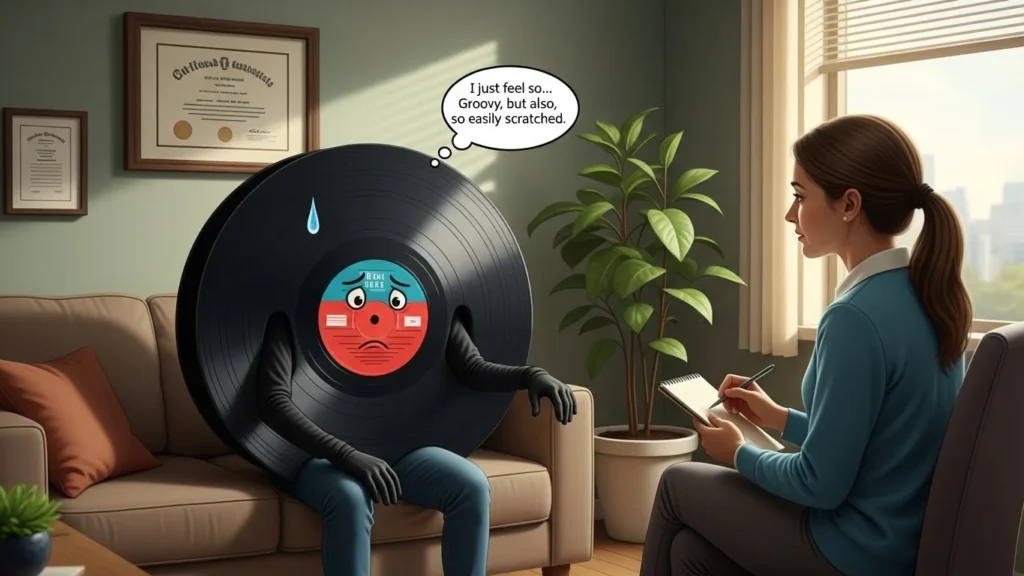
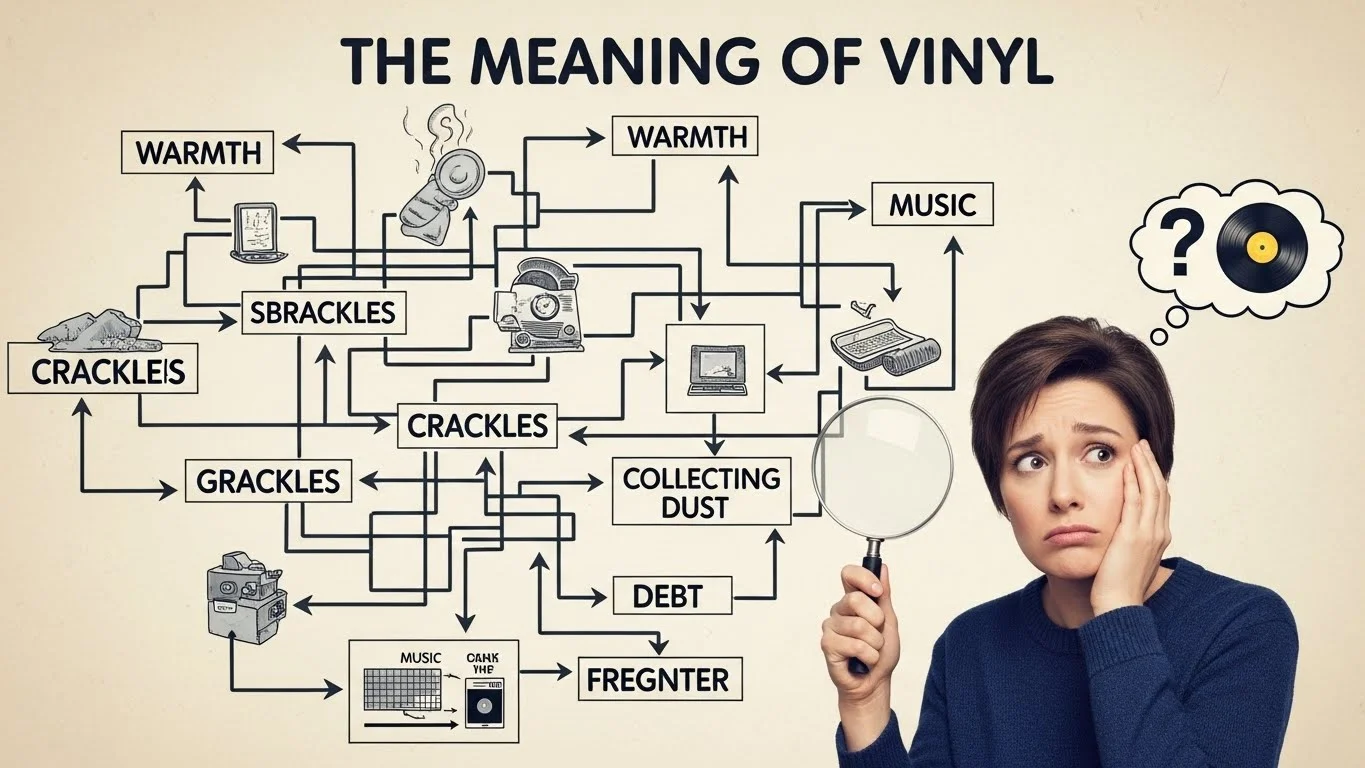
Vinyl meaning has two main meanings:
Material Meaning: A type of synthetic plastic made from polyvinyl chloride (PVC), used in products like flooring, upholstery, and clothing.
Music Meaning: A vinyl record, a disc used to store and play analog music.
Simple definition:
Vinyl = either a type of plastic material or a record for music playback.
Vinyl Meaning in Music
Vinyl records are analog discs that store sound using grooves etched onto the surface.
Popular from the 1950s to the 1980s before digital music dominated.
Experiencing a resurgence due to nostalgia, sound quality, and collectible appeal.
Example:
“I bought a vinyl of my favorite album for the warm, authentic sound.”
Vinyl Meaning as a Material
Vinyl as a synthetic material is flexible, durable, and water-resistant.
Common uses:
Flooring and tiles
Upholstery and furniture covers
Clothing and fashion accessories
Automotive interiors
It’s valued for longevity, affordability, and versatility.
Origin of the Word “Vinyl”
Derived from Latin “vinum” (wine) because vinyl chloride was originally derived from ethanol (alcohol).
Popularized in the 20th century for plastics and records.
The music association became widespread with the rise of vinyl LPs and singles.
Vinyl Records vs Digital Music
| Feature | Vinyl Record | Digital Music |
|---|---|---|
| Sound | Warm, analog | Crisp, compressed |
| Tangibility | Physical object | Digital file |
| Collectibility | High | Low |
| Durability | Care needed | Long-lasting if backed up |
| Nostalgia | Strong | Limited |
Why Vinyl Records Are Popular in 2026
Audio enthusiasts love analog sound quality
Collectors enjoy album art and physical media
DJ culture still uses vinyl for scratching and mixing
Social media trends make vinyl aesthetically appealing
Vinyl in Fashion and Design
Clothing: Vinyl jackets, pants, and accessories for a glossy, edgy look
Interior design: Vinyl flooring and furniture covers
Automotive: Vinyl wraps and upholstery
Vinyl is popular because it’s durable, waterproof, and stylish.
Common Misunderstandings About Vinyl
Vinyl records are not the same as CDs or cassettes—they use analog grooves.
Vinyl material is not always cheap or low-quality; high-end vinyl is durable and flexible.
Collecting vinyl is more than nostalgia; it’s also a hobby and investment.
Related Terms and Concepts
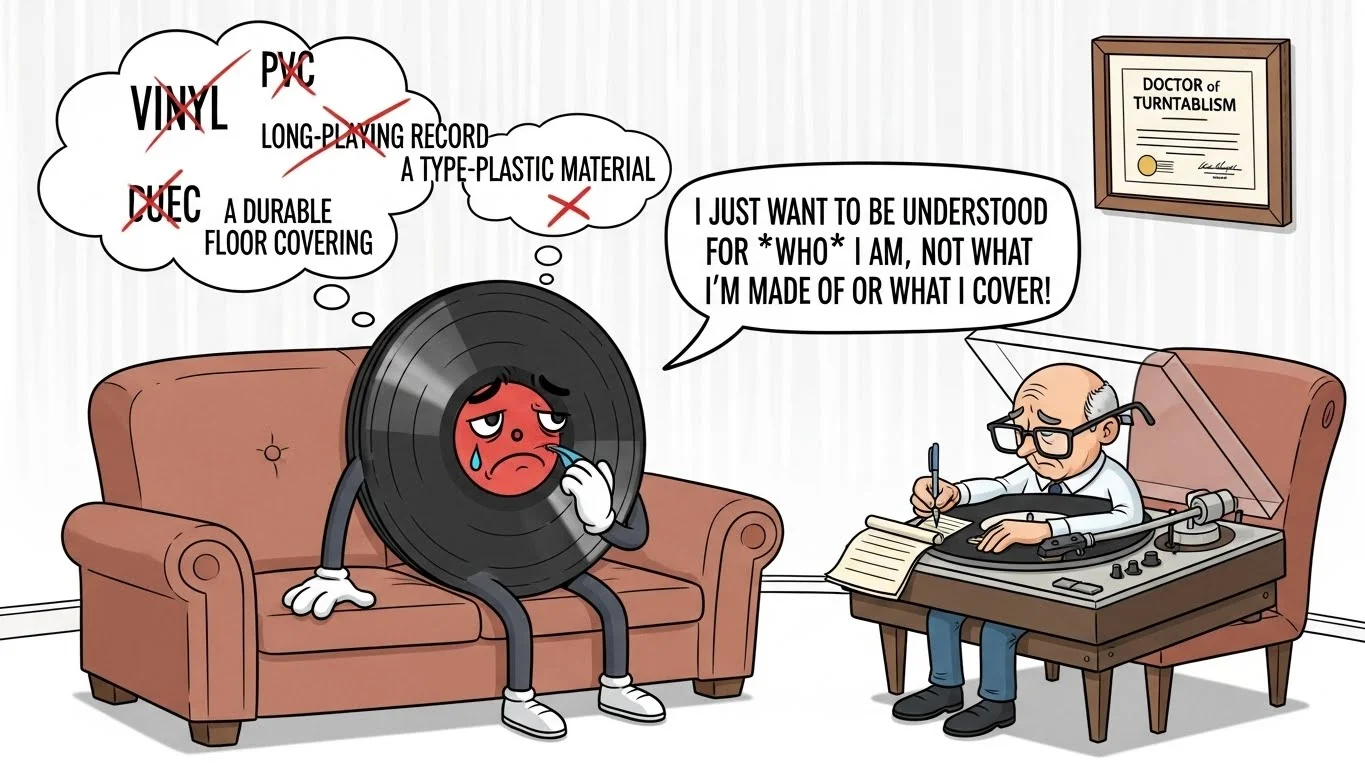
LP (Long Play): Full-length vinyl album
EP (Extended Play): Short vinyl record
PVC: Polyvinyl chloride, the plastic material
Turntable: Device to play vinyl records
Record Sleeve: Protective cover for vinyl records