


What Does “Lilac” Mean?
The lilac meaning has two main contexts:
As a flower: Lilac refers to a fragrant, purple-hued flower from the Syringa genus.
As a color: Lilac is a soft, light shade of purple, often associated with calmness, spring, and femininity.
Symbolically, lilac often represents:
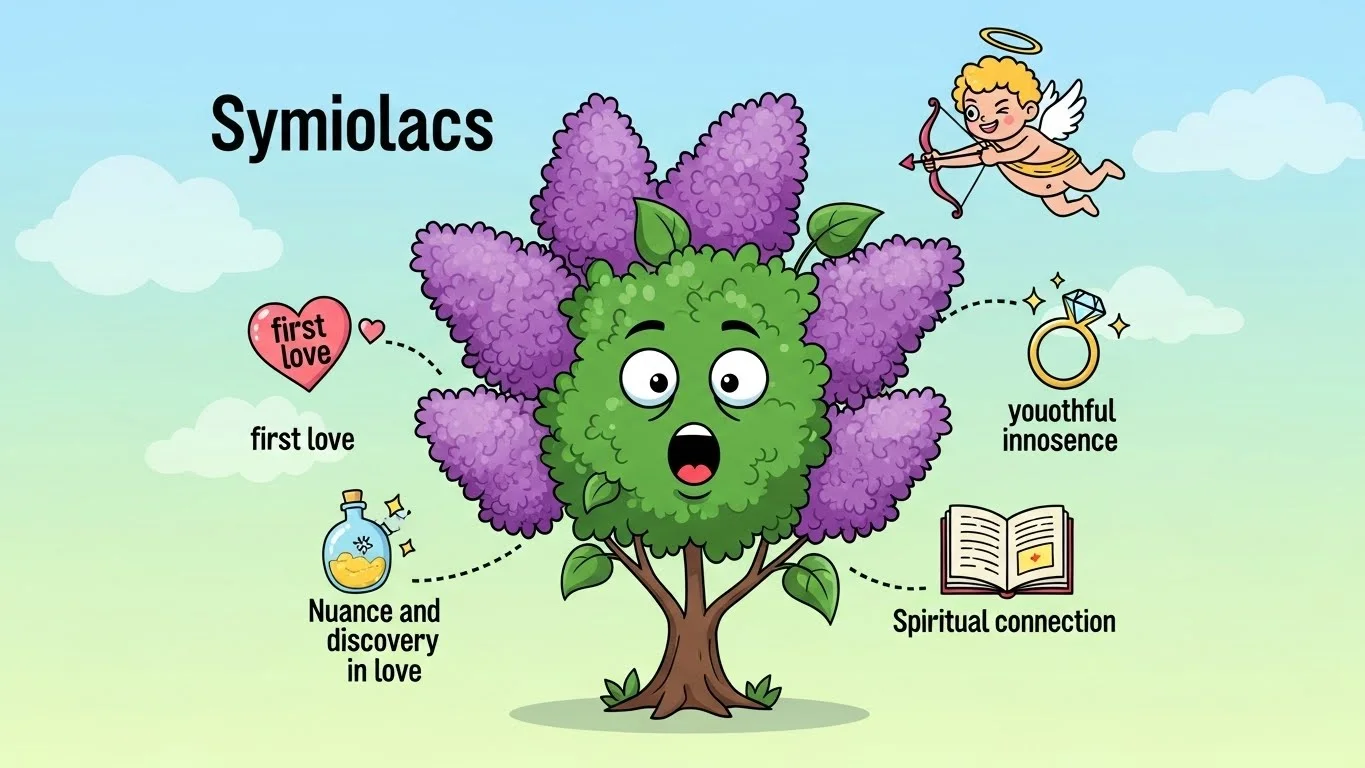
Innocence
Youth
Renewal
First love or emotions
In short, lilac is about gentle beauty, growth, and emotional subtlety.
Lilac Meaning in Simple Terms
In simple words, lilac means:
A light purple color
A delicate flower
A symbol of spring, love, or calm feelings
It combines visual beauty with emotional symbolism.
Lilac Flower Meaning
Lilac flowers are rich in symbolism across cultures. Common interpretations include:
First love: Lilac flowers, especially purple ones, symbolize young love and innocence.
Renewal and spring: Lilacs bloom in spring, representing new beginnings.
Memory and remembrance: In some cultures, lilac flowers honor memories or past experiences.
The flower’s gentle fragrance and soft petals make it a classic gift for emotional occasions.
Lilac Color Meaning
The color lilac also carries deep symbolism:
Calmness and relaxation: Soft purple shades are soothing to the eyes.
Feminine energy: Lilac is often linked to delicate, nurturing qualities.
Spiritual awareness: In color psychology, lilac relates to intuition and higher consciousness.
Creativity: Artists often use lilac to evoke inspiration and imagination.
Lilac is widely used in interiors, fashion, and branding for a calm yet uplifting effect.
Lilac Meaning in Culture and History
Western culture: Lilac flowers are associated with spring, renewal, and early love.
Victorian era: Lilac was a symbol of first love and youthful innocence.
Eastern symbolism: In some Eastern traditions, lilac represents spirituality and peace.
Modern use (2026): Lilac is popular in fashion, home decor, and social media aesthetics for its soft, calming appeal.
Real-Life Examples of Lilac Meaning
Example 1:
“She wore a lilac dress to the spring wedding.”
Explanation: The color symbolizes calmness, elegance, and seasonal freshness.
Example 2:
“Sending lilacs to someone is a gesture of remembrance.”
Explanation: Lilac flowers convey memory and sentiment.
Example 3:
“The room was painted in lilac tones for a calming atmosphere.”
Explanation: Lilac color adds relaxation and peaceful energy.
Example 4:
“He gave her a bouquet of lilacs on their first date.”
Explanation: Lilac flowers symbolize young love and affection.
Lilac vs Similar Colors
Lilac is often confused with similar shades:
Lavender: Slightly bluer and cooler
Mauve: More muted, with gray undertones
Orchid: Brighter and more vibrant purple
Amethyst: Darker, jewel-toned purple
Lilac stands out for being soft, light, and gentle.
Common Misunderstandings About Lilac
Thinking lilac is just purple: It’s specifically a light, soft shade of purple.
Confusing lilac with lavender or pastel purple: Each has subtle differences.
Assuming lilac has no symbolism: Lilac carries deep meanings in love, renewal, and spirituality.
Lilac in Fashion and Design (2026)
In modern fashion and design, lilac is popular because it:
Creates soft, calming aesthetics
Works well for spring and summer palettes
Evokes gentleness and elegance
Pairs with neutral tones for minimalist designs
Lilac is trending in interior decor, clothing, wedding themes, and social media visuals.
Lilac in Emojis and Digital Culture
Online, lilac is represented by flower or color emojis and often used to:
Express calmness or peace
Highlight springtime content
Symbolize gentle emotions, love, or nostalgia
It’s widely appreciated in aesthetic and lifestyle content in 2026.
Related Words and Symbols
If you’re exploring lilac meaning, you may also come across:
Violet: A stronger purple shade
Lavender: Slightly bluer, calming
Purple: Royalty and creativity
Bloom: Growth and beauty
Pastel: Soft, gentle tones