
Reverse Psychology Meaning in Urdu
In Urdu, reverse psychology can be explained as:
“الٹی نفسیات” or “الٹا نفسیاتی طریقہ”
It means کسی کو کسی کام کے لیے اُبھارنے کے لیے اس کے برعکس بات کرنا (encouraging someone to do something by suggesting the opposite).
Reverse Psychology Example
Here is a simple example:
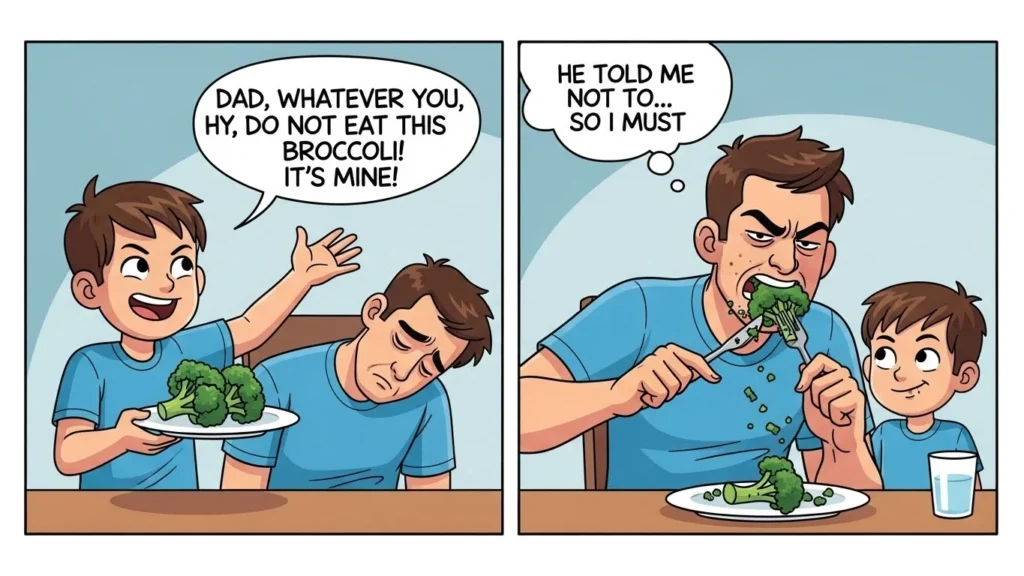
- A parent says: “You probably can’t clean your room properly.”
- The child then tries to prove them wrong and cleans the room.
This is reverse psychology because the opposite statement motivates action.
Reverse Psychology Meaning in Relationships
In relationships, reverse psychology is used to influence a partner’s behavior indirectly. Instead of directly asking for something, a person may suggest the opposite to get the desired result. It is often used in a playful or strategic way.
Examples of Reverse Psychology in Relationships
Some common examples include:
- Saying, “You don’t have to call me,” hoping the person will call more
- “It’s okay if we don’t go out,” expecting the partner to insist
- Acting uninterested to make the other person show more interest
These examples show how indirect communication can influence behavior.
Reverse Psychology Meaning Examples
More general examples:
- “Don’t try too hard, it’s probably impossible.”
- “You won’t like this movie.”
- “You shouldn’t bother studying.”
In each case, the opposite reaction is expected.
Reverse Psychology Tricks
Some common reverse psychology techniques include:
- Suggesting the opposite of what you want
- Challenging someone’s ability
- Acting uninterested to create curiosity
- Using mild doubt to motivate action
However, these should be used carefully, as overuse can harm trust.
Reverse Psychology in a Sentence
Example sentences:
- “She used reverse psychology to make him agree.”
- “Reverse psychology can be effective in certain situations.”
- “He applied reverse psychology to motivate his team.”
Reverse Psychology Meaning in Arabic
In Arabic, reverse psychology is translated as:
“علم النفس العكسي” (ilm al-nafs al-‘aksi)
It carries the same meaning of influencing behavior by suggesting the opposite.
What Is the Meaning of Reverse Psychology?
Reverse psychology meaning is a technique where someone encourages the opposite of what they actually want, hoping the other person will do the reverse.
Simple definition:
reverse psychology meaning trying to influence someone by suggesting the opposite action.
Example:
Saying “You probably won’t finish this task” to motivate someone to prove you wrong.
Reverse Psychology Meaning in Simple Words
In simple terms:
You ask for one thing
But secretly want the opposite
You expect the other person to react against your suggestion
It relies on how people naturally resist being told what to do.
Where Does Reverse Psychology Come From?
Reverse psychology comes from:
Behavioral psychology
Studies of human motivation and resistance
Psychologists noticed that:
People like feeling in control
People often do the opposite when they feel pressured
This reaction is called psychological reactance.
How Reverse Psychology Works
Reverse psychology works by:
Predicting resistance
Saying the opposite of your goal
Letting the other person “choose” the opposite
The person feels:
Independent
In control
Motivated to prove something
Reverse Psychology Meaning in Everyday Life
People use reverse psychology daily, often without realizing it.
Common situations include:
Parenting
Friendships
Relationships
Workplace conversations
Example:
“Don’t worry about cleaning; I’ll do it myself.”
Reverse Psychology in Parenting
Parents sometimes use reverse psychology to:
Encourage kids to eat
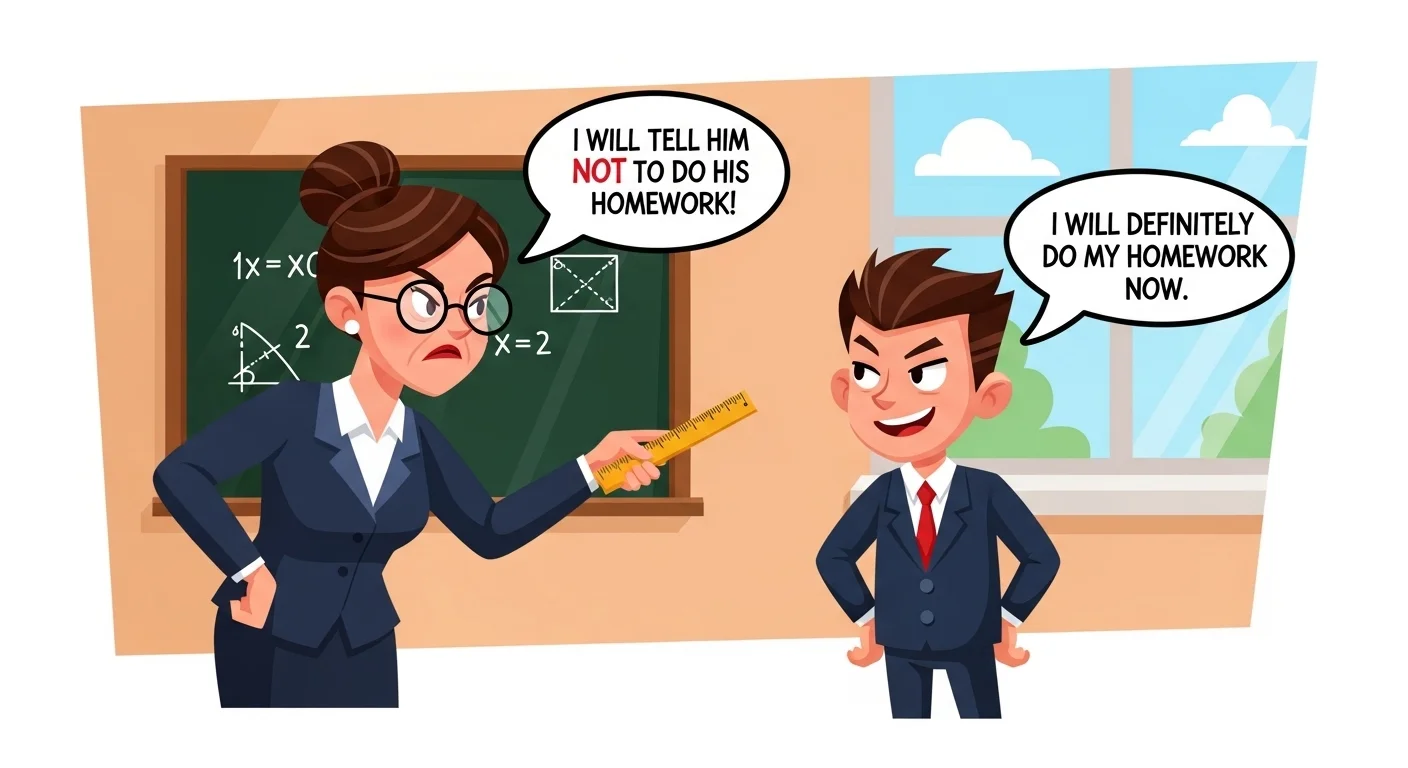
Motivate homework completion
Reduce power struggles
Example:
“You probably don’t want to try these vegetables.”
It works best with younger children who enjoy proving adults wrong.
Reverse Psychology in Relationships
In relationships, reverse psychology might look like:
Acting uninterested to spark interest
Saying “It’s fine if you don’t call”
However, overuse can damage trust.
Reverse Psychology in the Workplace
At work, it can be used subtly:
To motivate employees
To encourage participation
To spark competition
Example:
“This task might be too challenging for now.”
This can push someone to step up.
Reverse Psychology in Marketing and Advertising
Marketers use reverse psychology by:
Saying “This product isn’t for everyone”
Creating exclusivity
Triggering curiosity
It makes people want what seems restricted.
Reverse Psychology in Social Media and Online Culture
Online, reverse psychology appears in:
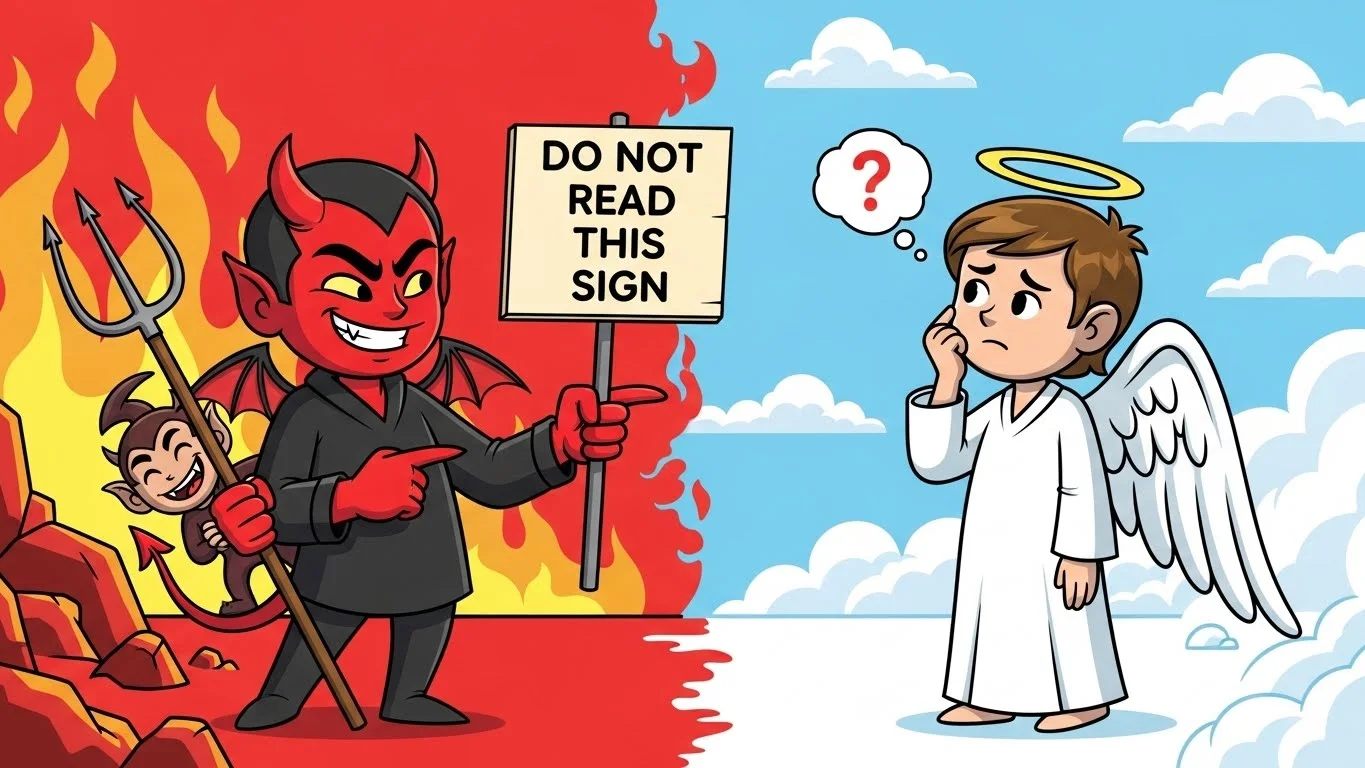
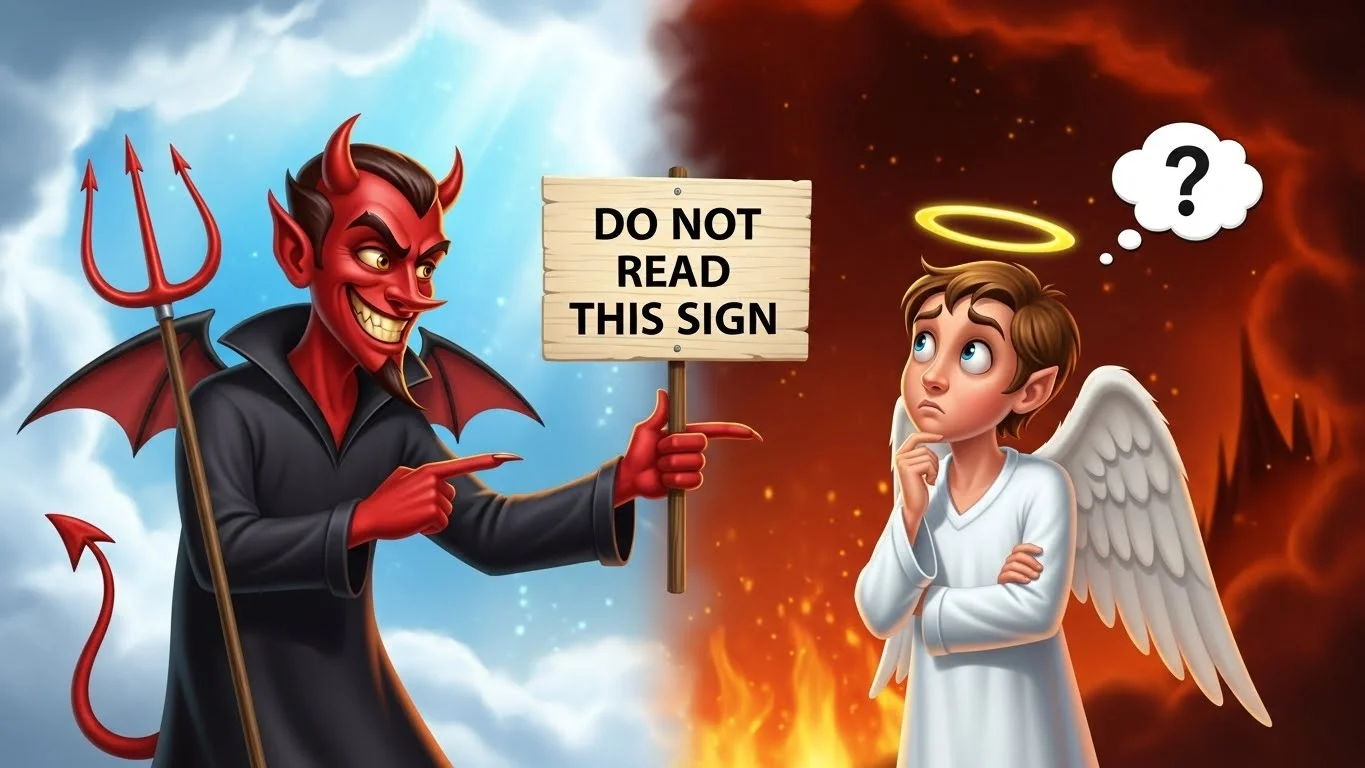
Captions like “Don’t watch this”
Clickbait phrasing
Meme culture
This tactic plays on curiosity and rebellion.
Real-Life Examples of Reverse Psychology
Here are clear examples with explanations:
Example 1:
“You don’t have to help if you’re too busy.”
Meaning: Hoping the person will help to prove they care.
Example 2:
“This game might be too hard for you.”
Meaning: Encouraging someone to try harder.
Example 3:
“I don’t think you’ll like this movie.”
Meaning: Making someone curious enough to watch it.
When Reverse Psychology Actually Works
Reverse psychology works best when:
The person dislikes being controlled
The person values independence
The situation is low-risk
It’s less effective with highly logical or self-aware people.
When Reverse Psychology Fails
It often fails when:
The person agrees with you
The tactic is obvious
Trust is already weak
Example:
If someone truly doesn’t care, the tactic backfires.
Common Mistakes and Misunderstandings
People misunderstand reverse psychology by:
Thinking it always works
Using it manipulatively
Overusing it in relationships
It’s a strategy, not a guarantee.
Reverse Psychology vs Manipulation
While related, they’re not the same:
Reverse psychology is indirect persuasion
Manipulation involves deception and control
Intent and honesty matter.
Is Reverse Psychology Ethical?
It depends on:
Intent
Context
Impact on trust
Using it playfully is usually fine. Using it to control or deceive can harm relationships.
Reverse Psychology Meaning in Psychology Terms
In psychology, reverse psychology is linked to:
Psychological reactance
Autonomy and motivation
Behavioral resistance
It’s studied as a response to perceived pressure.
Reverse Psychology in 2026 Usage
In 2026:
It’s discussed widely online
Used in memes and content marketing
Still debated in psychology and ethics
The concept remains relevant.
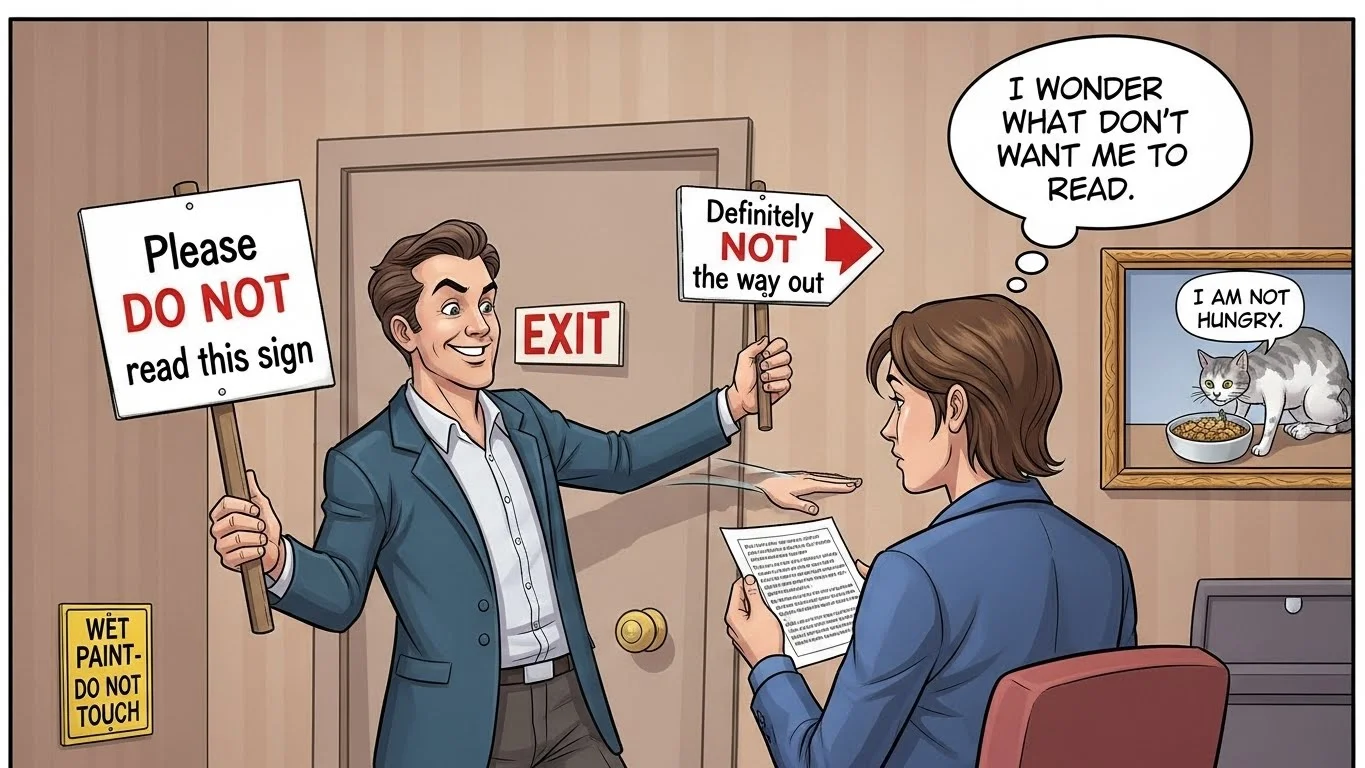
How to Recognize Reverse Psychology Being Used on You
Signs include:
Being challenged indirectly
Feeling pushed to “prove” something
Statements that trigger defiance
Awareness reduces its effect.