

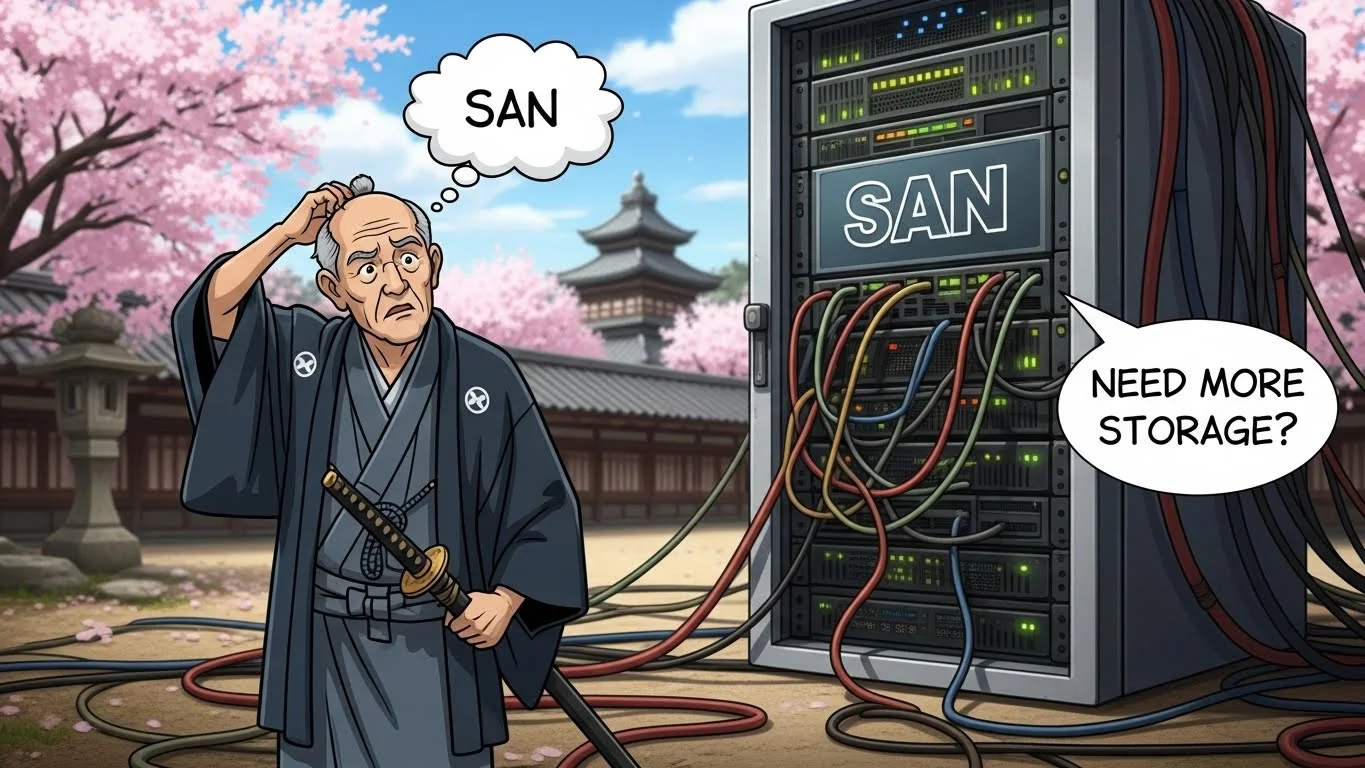
What Does “SAN” Mean?
SAN has several meanings depending on context:
In Technology (Storage Area Network):
A SAN is a network that provides high-speed, dedicated access to storage devices.
Example: “The company upgraded its SAN for faster data access.”
In Names (Japanese Honorific):
“-san” is a polite suffix in Japanese added after someone’s name.
Example: “Tanaka-san” = Mr./Ms. Tanaka
Shows respect and formality.
In Geography or Groups:
Refers to the San people, indigenous hunter-gatherers in Southern Africa.
SAN Meaning in Technology
Full form: Storage Area Network
Connects servers and storage devices
Used in data centers, enterprises, and IT infrastructure
Advantages:
Fast data access
Centralized storage management
Scalability for large data
Example:
“Our SAN solution ensures all departments can access the database efficiently.”
SAN Meaning in Japanese Culture
“-san” is a title of respect
Gender-neutral and polite
Common in both formal and casual speech
Equivalent to Mr., Ms., or Mrs. in English, but more culturally nuanced
Example:
“Yuki-san, could you help me with this?”
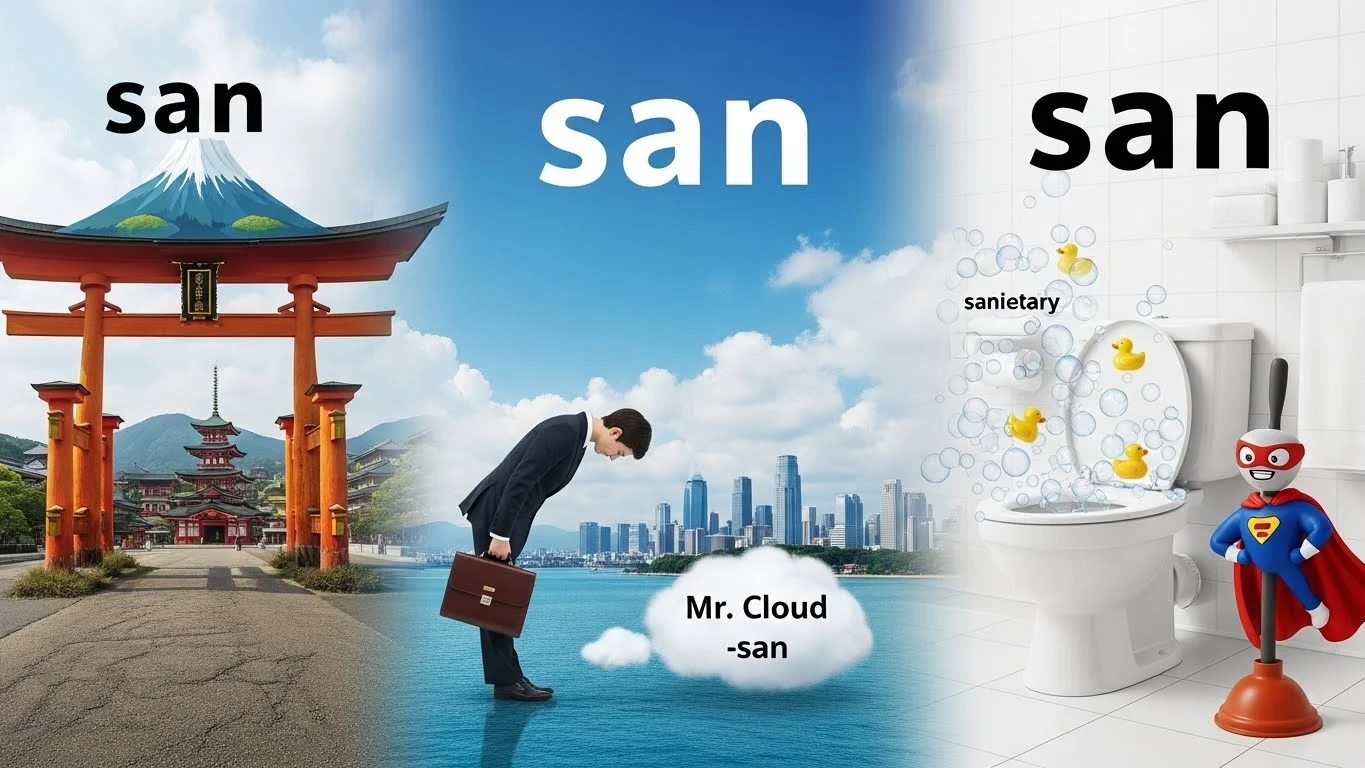
SAN Meaning in Anthropology
San people: Indigenous inhabitants of Southern Africa
Known for:
Hunter-gatherer lifestyle
Rich cultural traditions
Rock art and storytelling
Often referenced in studies of history, anthropology, and human migration
Common Misunderstandings About SAN
Not always a technology term: SAN can mean respect in Japanese or a cultural group
Japanese -san is not a first name: It’s a suffix, not part of the person’s name
SAN vs SAN disk: In tech, a SAN network is different from just storage hardware
SAN in Modern Usage
Technology: Used in IT infrastructure discussions
Japanese: Polite form of address in anime, manga, and everyday conversation
Anthropology: Refers to the San people in academic or cultural contexts
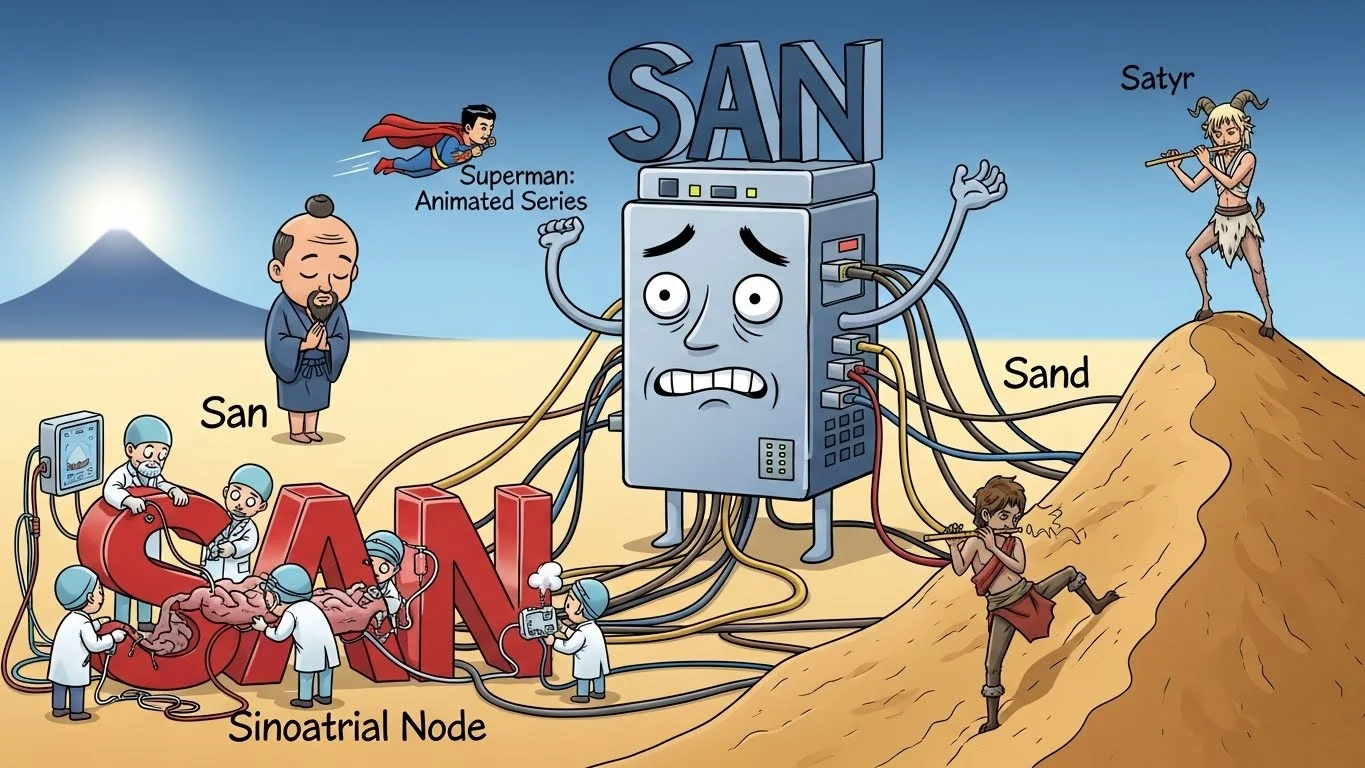
Related Terms and Concepts
NAS (Network-Attached Storage): Storage connected via standard network
-kun: Another Japanese honorific, often for males or juniors
SAN people: Sometimes called Bushmen in older texts
Data Center: Environment where SANs are commonly used
Japanese honorifics: Polite suffixes like -san, -sama, -chan