


Allowance Meaning in Urdu
In Urdu, “allowance” is translated as:
- “الاؤنس” – commonly used for extra money given in a job
- “اجازت” – when referring to permission
Both meanings depend on context, whether financial or general.
Allowance Meaning in English
In English, “allowance” means:
- A fixed amount of money given regularly (e.g., pocket money or job benefits)
- Permission or approval to do something
It is a flexible word used in multiple situations.
Allowance Meaning in Farsi
In Farsi (Persian), “allowance” can be translated as:
- “کمکهزینه (komak-hazineh)” – financial allowance
- “اجازه (ejāzeh)” – permission
The meaning depends on usage.
Allowance Meaning in Job
In jobs, an allowance is an extra payment given to employees in addition to their basic salary. Examples include travel allowance, housing allowance, and medical allowance. These benefits help cover specific expenses.
Pay Allowance Meaning
“Pay allowance” refers to the additional money paid along with salary for specific purposes. It can include bonuses, overtime, or special compensation depending on the job role.
Allowance Meaning in Salary
In salary terms, an allowance is a part of total earnings provided to employees. For example:
- House rent allowance (HRA)
- Transport allowance
- Medical allowance
These are added to the basic salary to form the total pay package.
Allowance Meaning Permission
In some contexts, “allowance” means permission or acceptance. For example:
- “The rules make allowance for mistakes.”
This means the rules allow or accept certain situations.
Allowance Meaning in Accounting
In accounting, “allowance” refers to a reserved amount set aside for expected losses or adjustments. For example:
- Allowance for doubtful accounts (money expected not to be received)
It helps businesses prepare for financial uncertainties.

Allowance Meaning in Simple Words 2026
The allowance meaning refers to a specific amount of money or permission given regularly for a particular purpose.
In simple terms:
Money given to a child or employee
Permission to do something, like access or use
Regular or planned distribution
Allowance can be financial or non-financial.
Allowance Meaning in Parenting 2026
In families, allowance usually refers to money given to children.
Key points:
Helps children learn money management
Can be earned or given unconditionally
Encourages responsibility and budgeting
Example: “She receives a weekly allowance for completing her chores.”
Allowance Meaning in Finance and Work 2026
In finance or work, allowance may refer to:
Travel allowance for employees
Housing allowance
Expense allowance for business purposes
It is a planned amount provided for specific use.
Allowance Meaning in Legal or Government Context 2026
Allowance also appears in laws or government programs:
Social security allowance
Disability allowance
Tax allowances
These are regulated amounts or permissions under official rules.
Types of Allowance 2026
Common types include:
Pocket allowance: For personal spending (children or teens)
Work allowance: Employee benefits or expense coverage
Government allowance: Financial support programs
Tax allowance: Deductions or exemptions in tax systems
Each type serves a clear purpose.
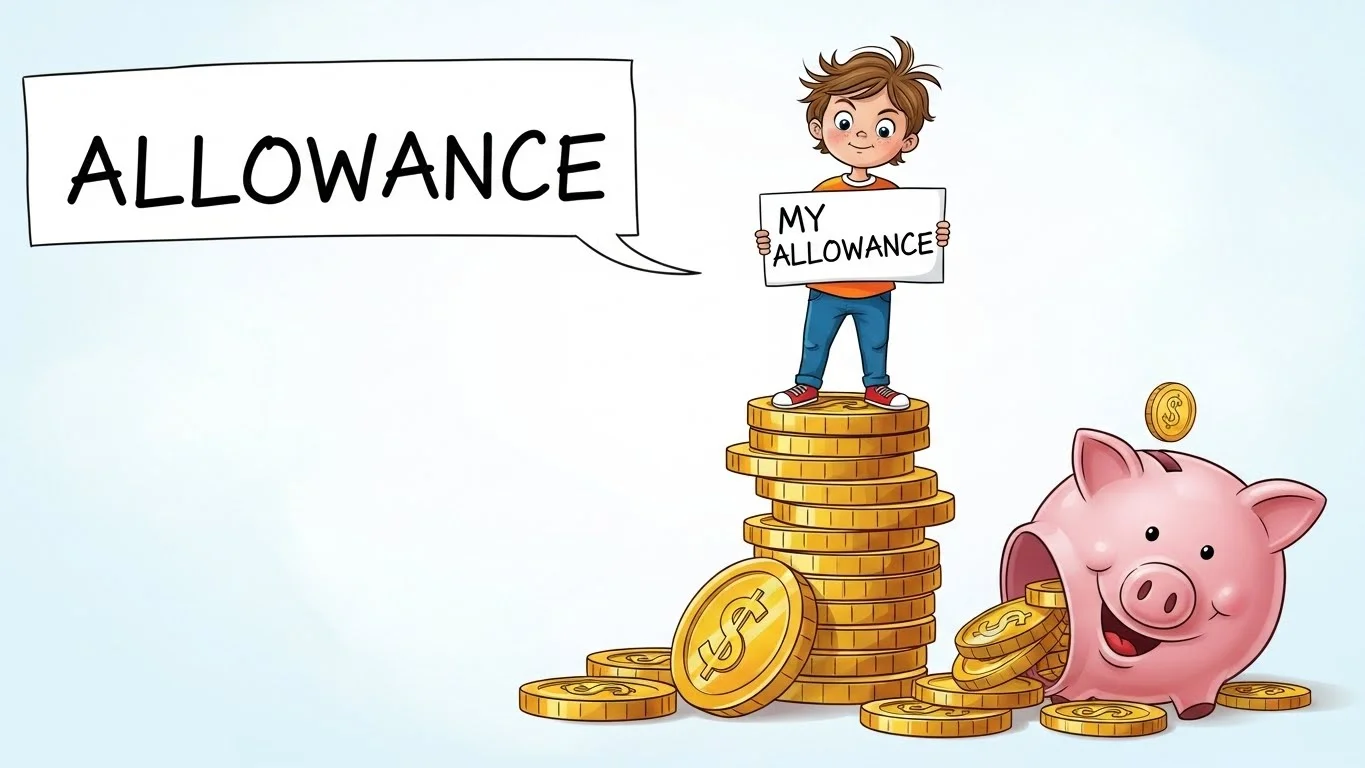
Allowance vs Salary Meaning Comparison 2026
Allowance:
Fixed or periodic amount for a specific purpose
Can be conditional or unconditional
Salary:
Regular payment for work
Usually covers all expenses and is taxable
Allowance is often supplementary to salary.
Allowance Meaning in Daily Life 2026
In everyday usage, allowance can mean:
Money for personal use
Permission to do something
Minor daily benefits or adjustments
Example: “I have a clothing allowance for the month.”
Real-Life Examples of Allowance Meaning 2026
Examples:
“His parents give him a weekly allowance.”
“The company provides a travel allowance for employees.”
“She claimed a tax allowance on her return.”
Each shows a different context of use.
Common Mistakes About Allowance Meaning 2026
Common mistakes include:
Using allowance interchangeably with salary
Assuming all allowances are taxable
Confusing permission allowance with money allowance
Context is key to proper usage.

Why the Word Allowance Is Important in 2026
Allowance is important because:
Helps manage personal and professional finances
Supports education in money management
Explains legal or official permissions
It is a versatile term used across society.