
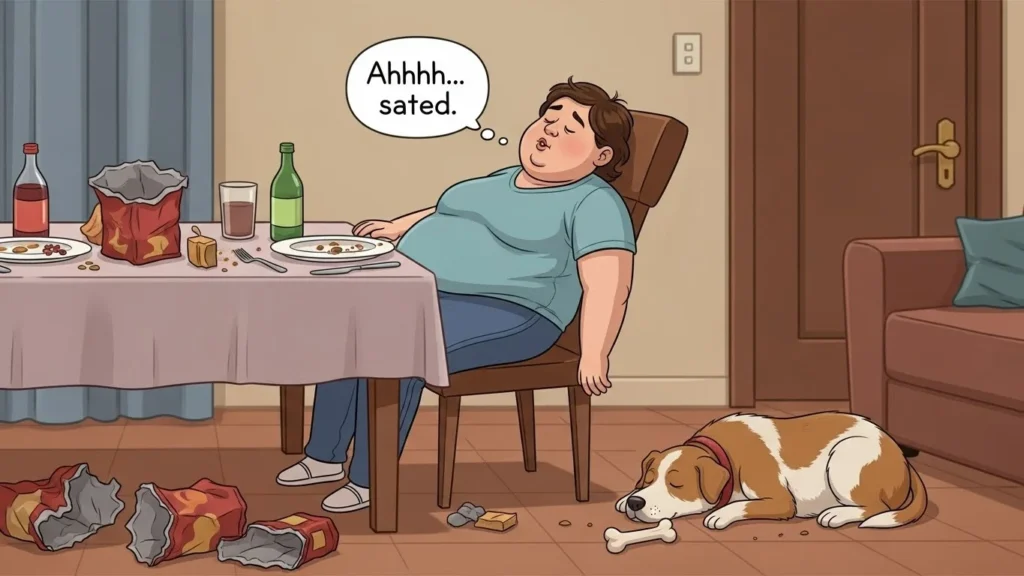
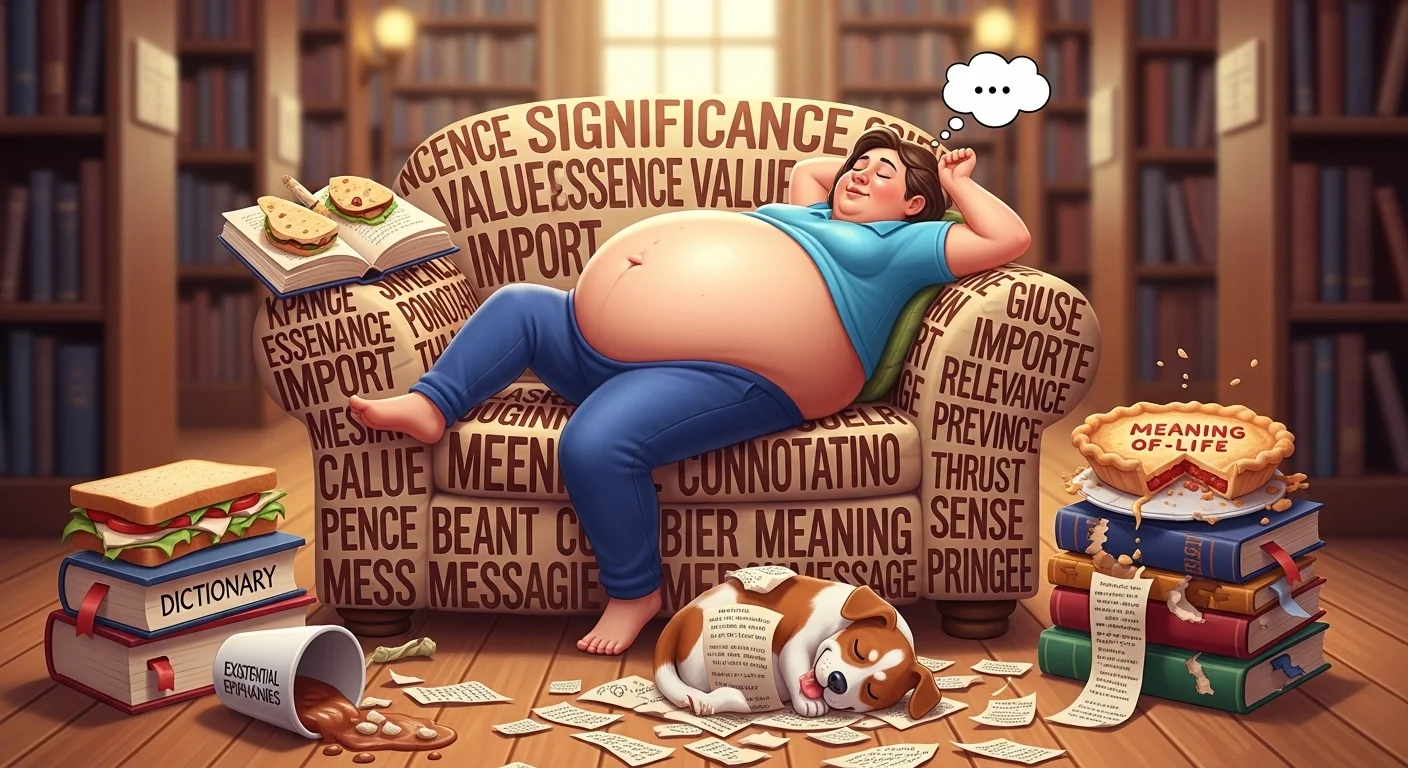
Sated Meaning in English
In English, “sated” means completely satisfied or full, often after eating food or fulfilling a need. It can also refer to emotional or mental satisfaction. For example, if you eat a large meal and feel full, you can say you are sated.
Satiated vs Sated
“Sated” and “satiated” have very similar meanings, but there is a slight difference:
- Sated → shorter, more commonly used in everyday language
- Satiated → more formal and emphasizes complete satisfaction
Both words describe the state of being fully satisfied, especially after eating or fulfilling a desire.
Satiated Meaning
“Satiated” means completely satisfied to the point of no longer wanting more. It is often used in formal writing or literature. For example, “He was satiated after the large feast” means he was fully satisfied and no longer hungry.
Sated Synonym
Some common synonyms of “sated” include:
- Satisfied
- Full
- Content
- Fulfilled
- Gratified
These words all describe a similar feeling of satisfaction or completion.
Sated Pronunciation
“Sated” is pronounced as “SAY-tid” (/ˈseɪtɪd/).
- “Say” → like the word “say”
- “tid” → sounds like “tid” in “tidy”
Practicing the pronunciation helps in speaking confidently.
Sated Meaning in Chinese
In Chinese, “sated” can be translated as “满足的 (mǎn zú de)” or “吃饱的 (chī bǎo de)”, meaning satisfied or full. The exact translation depends on context—whether it refers to food or general satisfaction.
Sated Meaning for Kids
For kids, “sated” means feeling full and happy after eating enough food. It can also mean being happy because you got what you wanted. For example, after eating your favorite meal, you might feel sated.
Sated in a Sentence
Here are some examples of “sated” in sentences:
- “After dinner, she felt completely sated.”
- “His hunger was finally sated after the meal.”
- “They were sated with the results of their hard work.”
These examples show how the word is used for both physical and emotional satisfaction.

What Does “Sated” Mean?
The word sated meaning fully satisfied to the point where no more is wanted or needed.
It often describes:
Eating until you’re no longer hungry
Having a desire completely fulfilled
Reaching a point of excess
Basic definition:
Sated = completely satisfied, often after having plenty of something
Sated Meaning in Simple Words
In very simple language:
If you eat a big meal and can’t take another bite, you’re sated
If you’ve had enough attention, entertainment, or pleasure, you’re sated
It goes beyond “satisfied” and leans closer to “had enough”.
Origin and History of the Word “Sated”
The word sated comes from the Latin word “satis,” which means enough.
Over time:
Latin satis → Old French sacier
Entered English in the 14th century
Kept the idea of having more than enough
This long history explains why sated often sounds formal or literary.
How “Sated” Is Used in Modern English
Today, sated is most commonly used in:
Writing
Literature
Food reviews
Formal or descriptive speech
It’s less common in casual texting but still understood by most English speakers.
Sated Meaning in Food and Eating Contexts
This is the most common use of the word.
Examples:
After a large meal, diners feel sated
Rich foods leave people sated quickly
It often implies:
Fullness
Comfort
Sometimes slight excess
Sated is stronger than “full.”
Emotional and Psychological Meaning of Sated
The word isn’t limited to food.
You can be sated with:
Attention
Pleasure
Entertainment
Power
Curiosity
Example:
Someone who has received constant praise may feel emotionally sated and no longer seek approval.
Sated vs Satisfied: What’s the Difference?
Many people confuse these two words.
Key differences:
Satisfied = content, pleased
Sated = fully satisfied, possibly to excess
You can be satisfied and still want more.
If you’re sated, you don’t want any more.
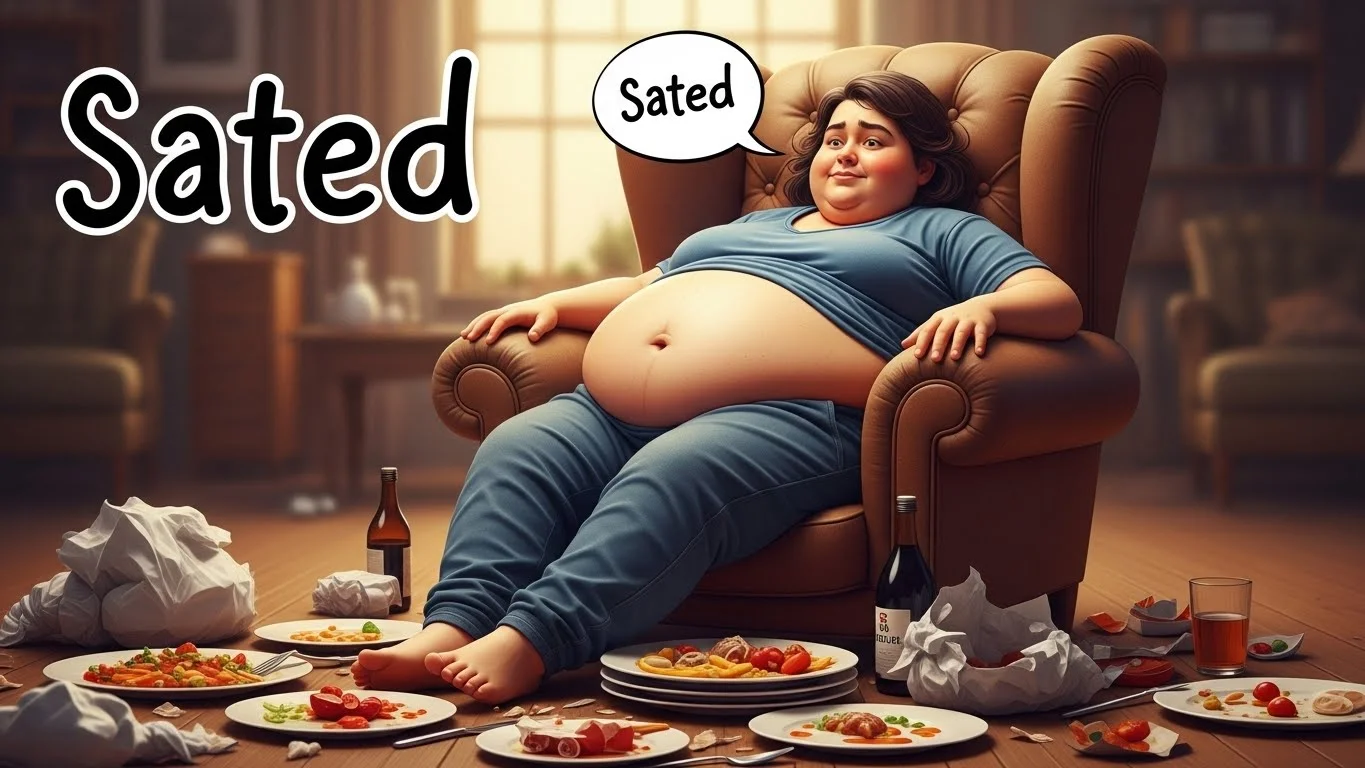
Sated vs Full
Another common comparison.
Full describes physical stomach capacity
Sated includes emotional or mental satisfaction
You can feel full but not sated, especially if the food wasn’t enjoyable.
Real-Life Examples of “Sated” in Sentences
Here are clear, relatable examples:
After the holiday feast, everyone felt completely sated.
The audience was sated after hours of entertainment.
He was sated with fame and wanted a quieter life.
The rich dessert left her feeling sated for hours.
Each example shows completion, not just satisfaction.
When Is It Appropriate to Use “Sated”?
Use sated when:
You want to sound precise
You’re describing fullness or fulfillment
Writing essays, articles, or stories
Avoid using it in:
Very casual chat
Slang-heavy conversations
It’s correct but slightly formal.
Common Mistakes and Misunderstandings
People often misuse sated by:
Using it to mean “happy”
Using it for small satisfaction
Confusing it with “stuffed” in casual talk
Remember:
Sated implies enough—or more than enough.
Is “Sated” a Positive or Negative Word?
It depends on context.
Positive:
Feeling content
Needs fully met
Negative:
Too much indulgence
Loss of desire or motivation
The tone comes from how it’s used.
Synonyms for Sated
Common synonyms include:
Satisfied
Fulfilled
Content
Replete
Glutted (stronger, often negative)
Each has a slightly different tone, so choose carefully.
Antonyms of Sated
Opposite meanings include:
Hungry
Unsatisfied
Wanting
Deprived
These words emphasize lack rather than abundance.
Sated in Literature and Writing
Writers often use sated to:
Show emotional exhaustion
Describe indulgence
Highlight excess
It adds depth and seriousness to descriptions.
How to Use “Sated” Correctly in Your Own Writing
Tips:
Use it when describing completion
Pair it with emotions, food, or desires
Avoid overusing it in casual writing
Correct use shows strong vocabulary control.

Sated Meaning in Modern Culture 2026
In 2026, sated is still relevant:
Used in wellness and nutrition articles
Appears in lifestyle writing
Common in thoughtful, long-form content
Its meaning has stayed consistent over time.